JAPOW VANS
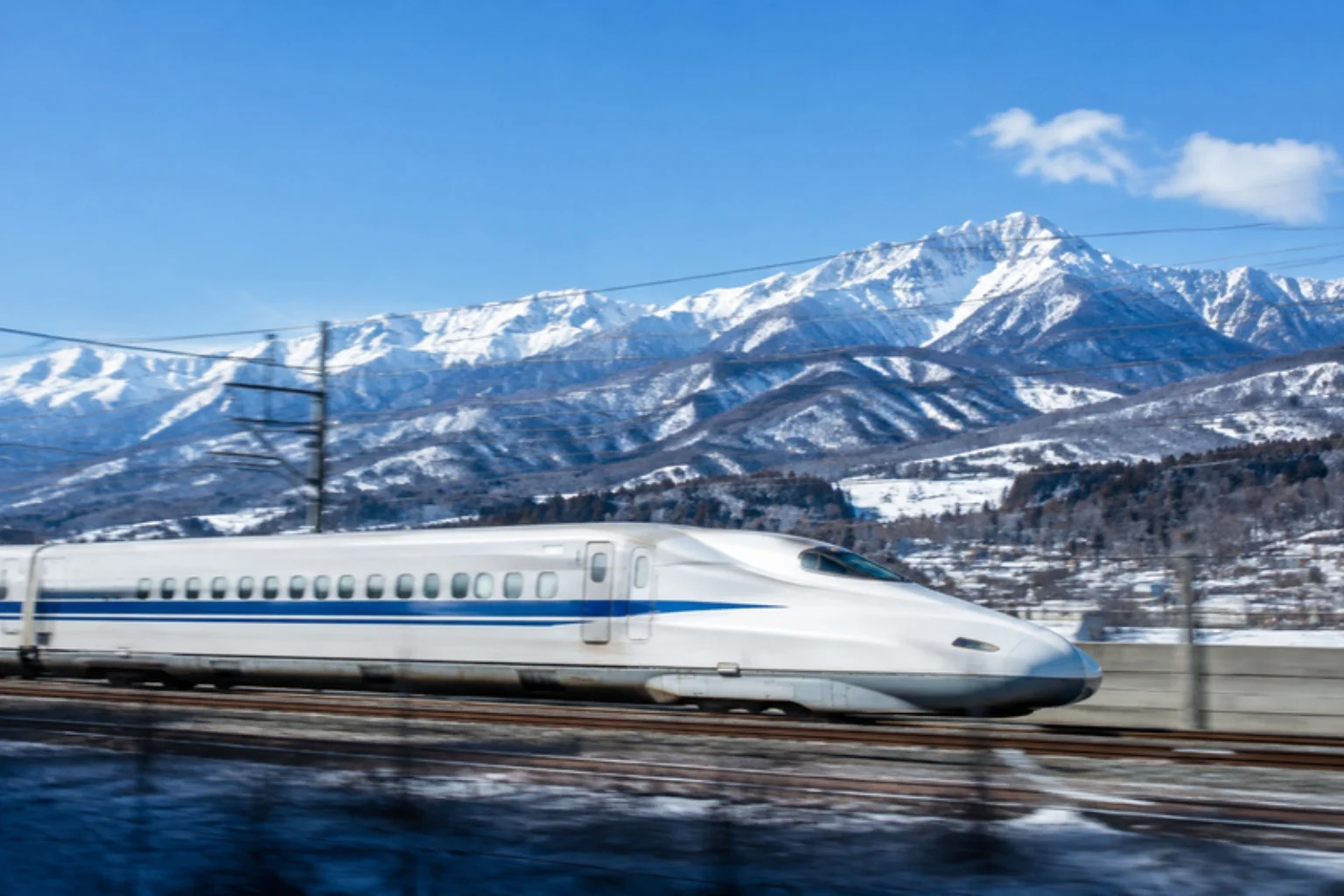
For a solo traveler, the Shinkansen plus a connecting bus is often the simplest way to reach a Japanese ski resort. But the math changes as soon as you're traveling with friends or family, because train and bus fares are per person while a rental van's running costs are shared across everyone in it. Here's the comparison for a group of six traveling Tokyo to Hakuba.
Option A: Shinkansen + bus
The route is Hokuriku Shinkansen Tokyo–Nagano (88–123 min, ¥8,250 unreserved / ¥8,450 reserved) plus a connecting bus Nagano–Hakuba (about 70 min, ¥2,900 off-season to ¥3,500 in winter).
| One-way fare per person | ≈ ¥11,150–11,950 |
|---|---|
| Round-trip fare per person | ≈ ¥22,300–23,900 |
| Round trip, group of 6 | ≈ ¥134,000–143,000 |
This total is for the Shinkansen and bus fares alone. It doesn't include checked-bag or oversized ski/snowboard case fees that some bus operators charge per item, or the cost of getting around once you're at the resort — most visitors still need a taxi, local bus, or short-term rental for lift access and grocery runs.
Option B: Self-drive van
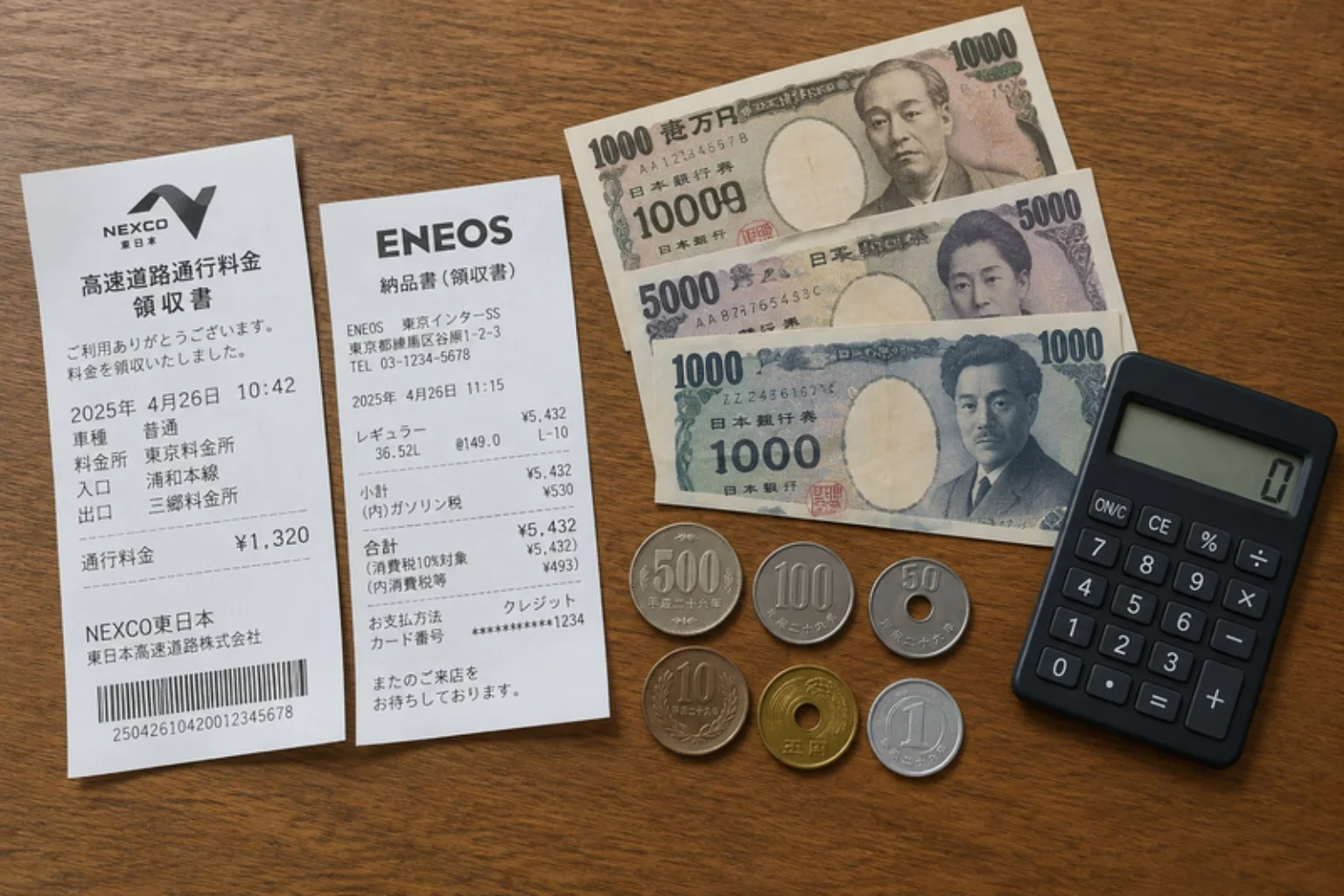
One van covers the whole group. Using the figures from our cost simulation guide: round-trip tolls ≈ ¥13,000, round-trip fuel ≈ ¥11,000.
| Round-trip tolls + fuel | ≈ ¥24,000 total |
|---|---|
| Per person, group of 6 | ≈ ¥4,000 |
This figure doesn't include the van rental fee itself — request a quote for current rates based on your dates and group size — but it replaces train tickets, local transport, and taxi fares at the destination, since the van covers door-to-door and around-resort transport in one.
What tips the balance
- Group size. The train/bus cost scales linearly with every extra person; the van's running cost barely changes. The gap widens fast once you're past 2–3 travelers.
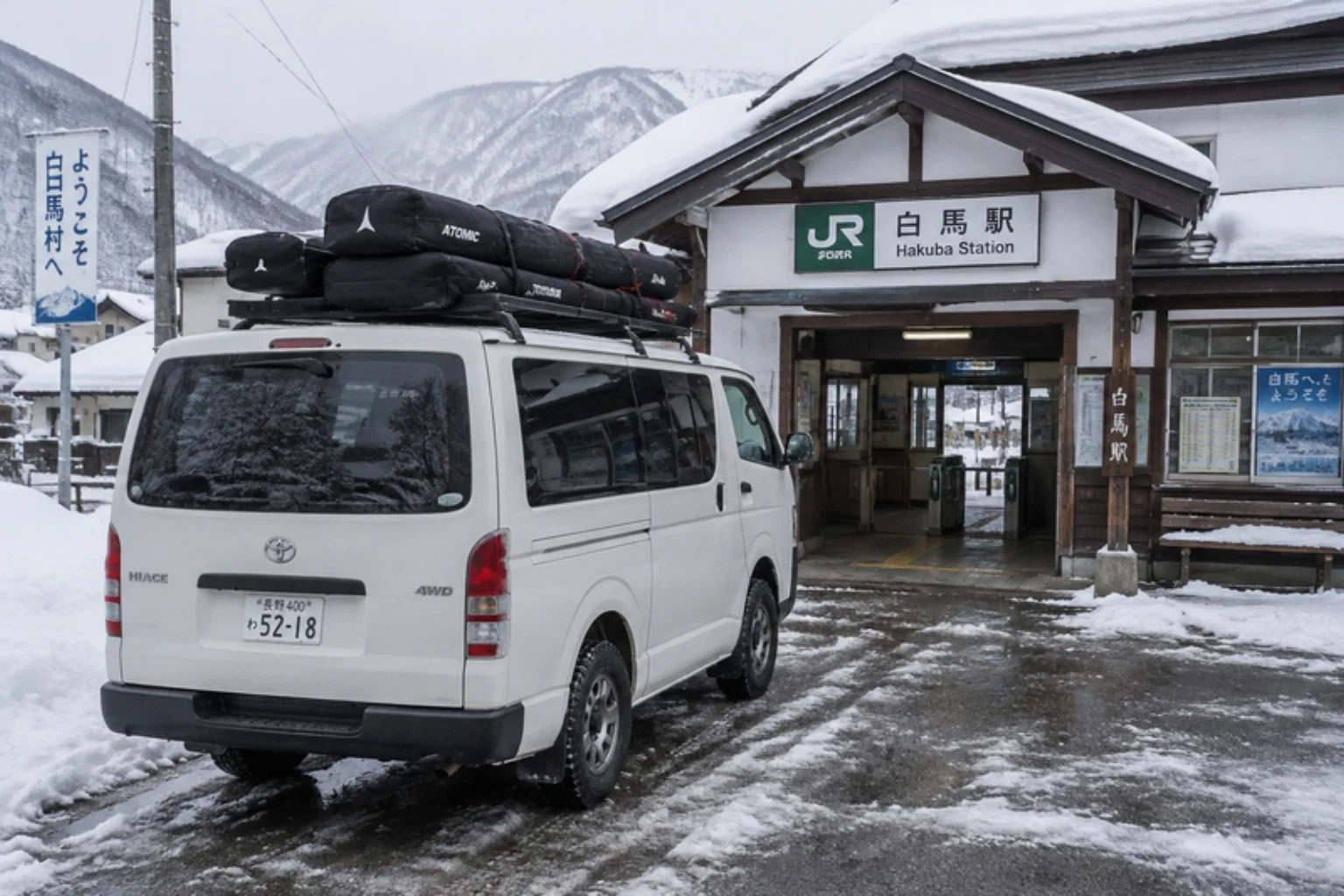
- Ski and snowboard gear. A van has room for boards, boots, and bags without per-item fees or awkward transfers between train, bus, and taxi.
- Schedule flexibility. Trains and buses run on fixed timetables; a van lets you leave early for first tracks or extend a day without rebooking tickets.
- Driving comfort. If no one in your group wants to drive on snow, or you'd rather read a book on the train, the Shinkansen is the more relaxing option for a solo trip or a couple.
For the route and toll details behind this comparison, see our Tokyo to Hakuba route guide and ETC toll guide.
Sources: JR Hokuriku Shinkansen published fares; Alpico Bus Nagano–Hakuba published fares; toll and fuel figures from our cost simulation guide. Fares and tolls change periodically — confirm current pricing before booking.