JAPOW VANS
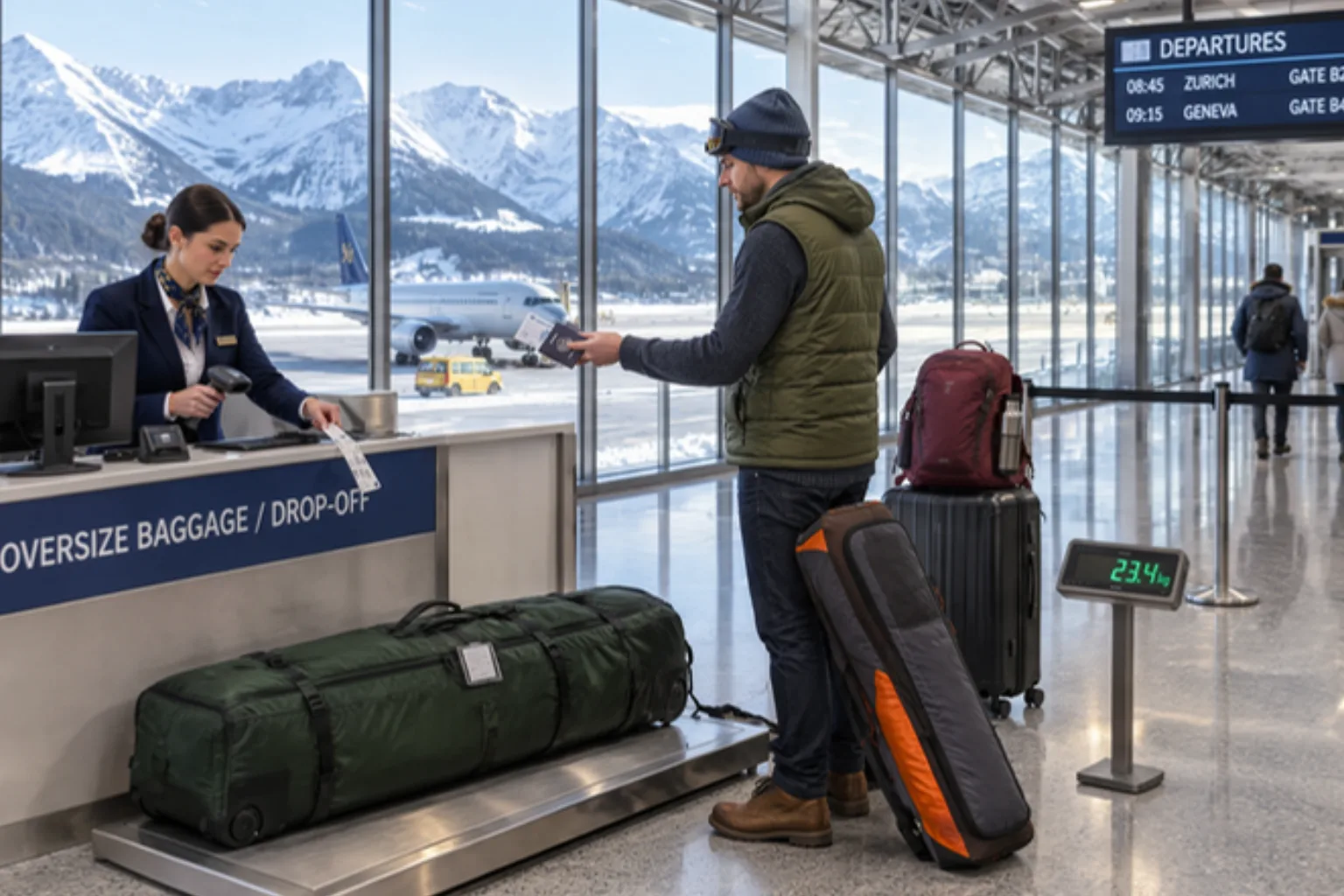
Most major airlines that fly into Narita, Haneda, or Kansai treat ski and snowboard bags as sporting equipment rather than standard checked luggage. That usually means a separate allowance or fee structure, and sometimes an oversized-item counter instead of the normal check-in line. None of this is hard to manage, but it helps to know the shape of it before you pack.
Check your airline's sporting equipment policy directly
Policies vary a lot by airline and by fare class — some carriers let a ski or snowboard bag count as one of your standard checked bags at no extra charge, others charge a flat sporting-equipment fee, and a few require online pre-registration. Because this changes often and differs by airline, always confirm the current policy on your airline's own website before you fly, rather than relying on what a friend experienced on a different carrier or route.
What usually counts as one piece
Most airlines allow one pair of skis or one snowboard plus boots inside a single padded bag to count as one checked item, even though it's bulkier than a suitcase. Combining skis and boots into one bag, rather than checking boots separately, is usually the simplest way to stay within a normal baggage allowance.
Weight still matters
Sporting equipment bags are often exempt from the usual size restrictions but not from weight limits. A fully packed ski bag with boots, poles, and a helmet can get heavy fast — weigh it at home if you can, since airport excess-weight fees are rarely cheap.
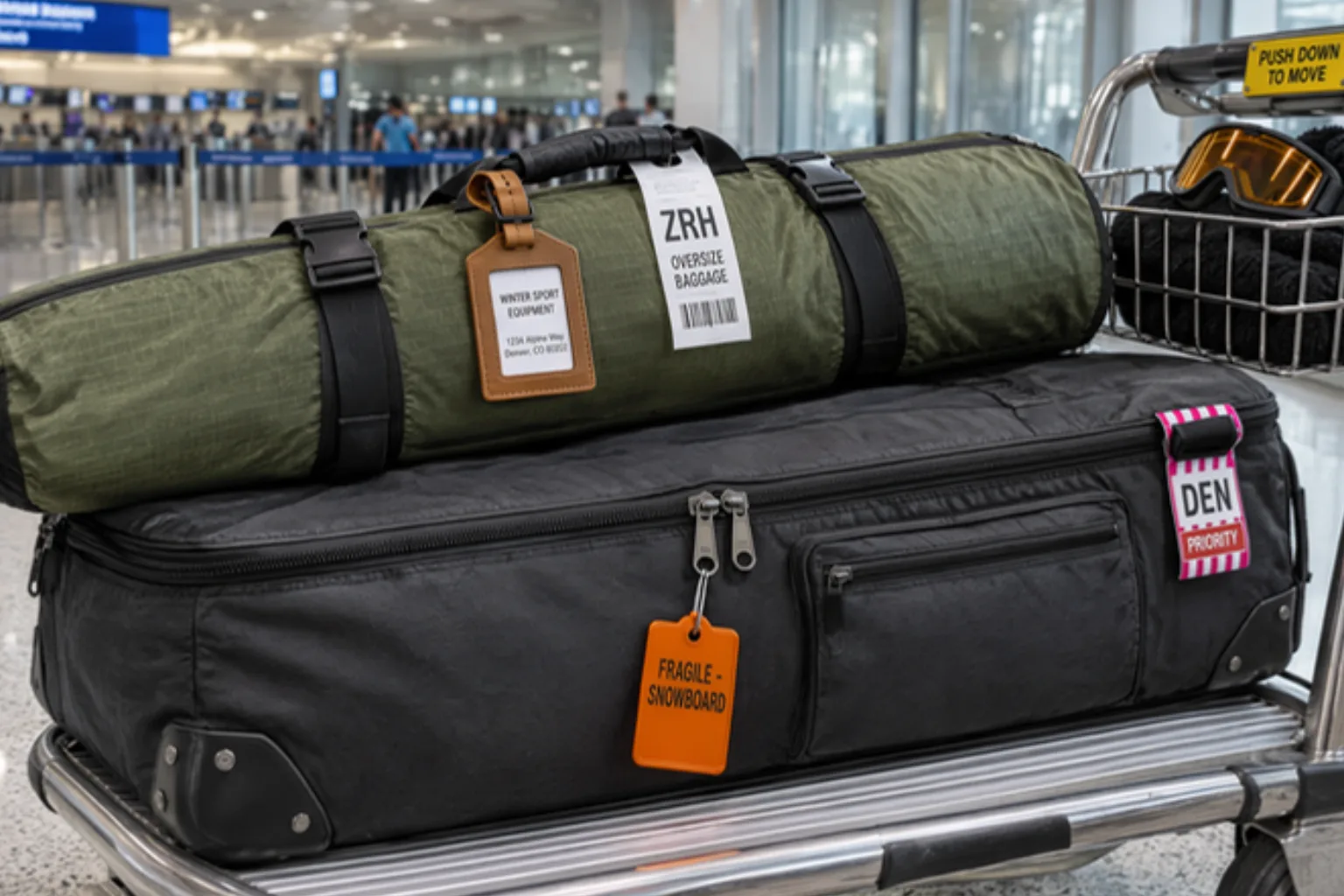
Packing tips that reduce damage risk
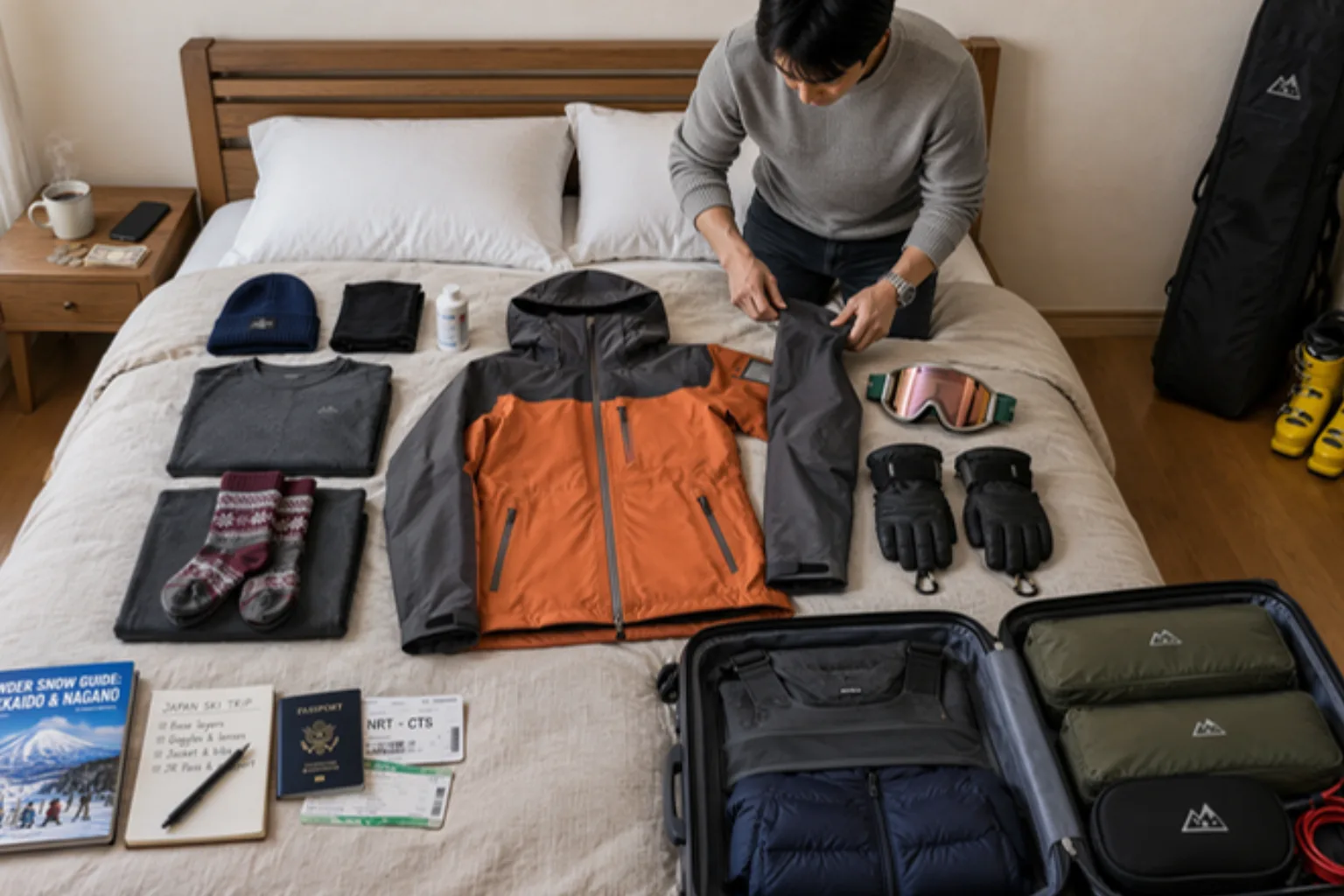
- Use a padded or hard-shell ski/board bag rather than a thin cloth cover — gear gets handled roughly between connections.
- Pack boots inside the bag rather than carrying them separately; it saves a piece of luggage and adds protective bulk around the skis or board.
- Loosen (don't fully remove) binding tension slightly for the flight, and retighten once you're at the resort.
- Put a luggage tag with your name and phone number both outside and inside the bag.
Arriving in Japan with oversized bags
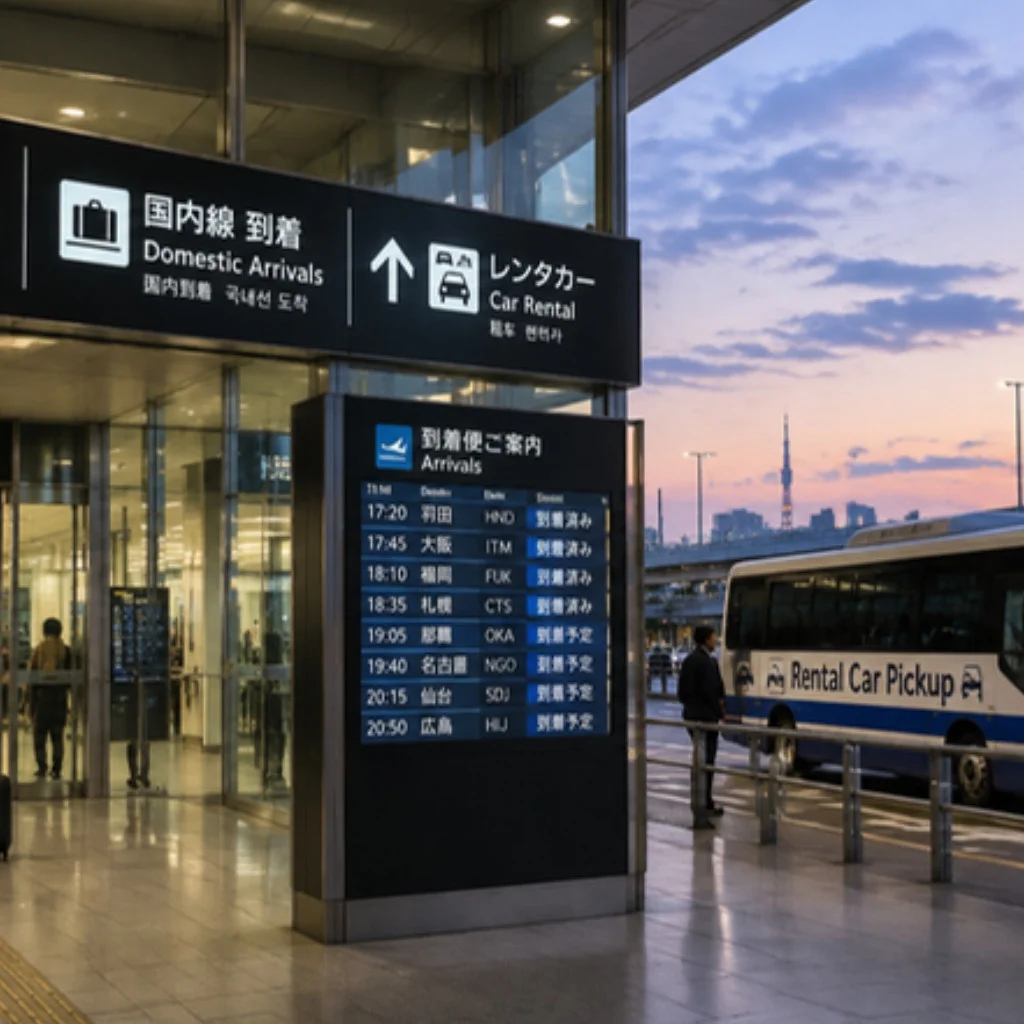
At Narita and Haneda, oversized sporting equipment comes out on a separate belt or an attended oversize area near the standard carousel — watch the signage near baggage claim rather than waiting at the regular belt. If you've arranged a pickup with us, our team can help load gear directly from the terminal into the van, so you don't need to haul bags far on your own.
Flying in with a group? Multiple sets of ski and snowboard bags add up fast in terms of van space. See our group ski trip planning guide for how to size your vehicle around everyone's gear.
Baggage policies and fees are set by individual airlines and change frequently — confirm current sporting-equipment rules directly with your airline before departure.