JAPOW VANS
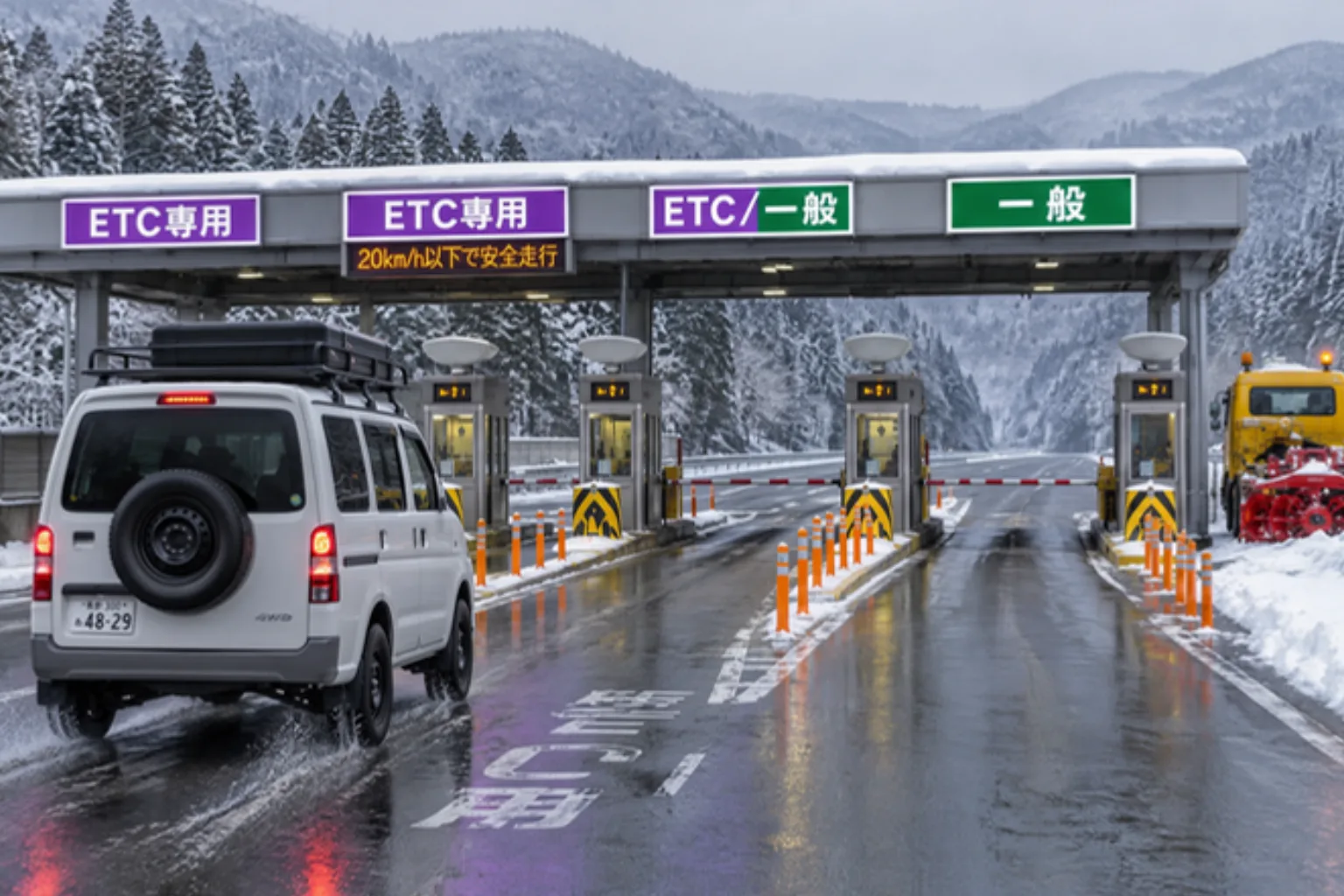
Some of Japan's expressway operators offer a "Japan Expressway Pass" or similar regional flat-rate pass aimed at foreign visitors, allowing unlimited travel on covered expressways for a fixed number of days. Availability, covered regions, and pricing vary by operator and change over time, so confirm current terms directly with NEXCO or the issuing operator before counting on one for your route.
How it generally works
- Passes are usually tied to a rental car booked through a participating rental company, not purchased independently.
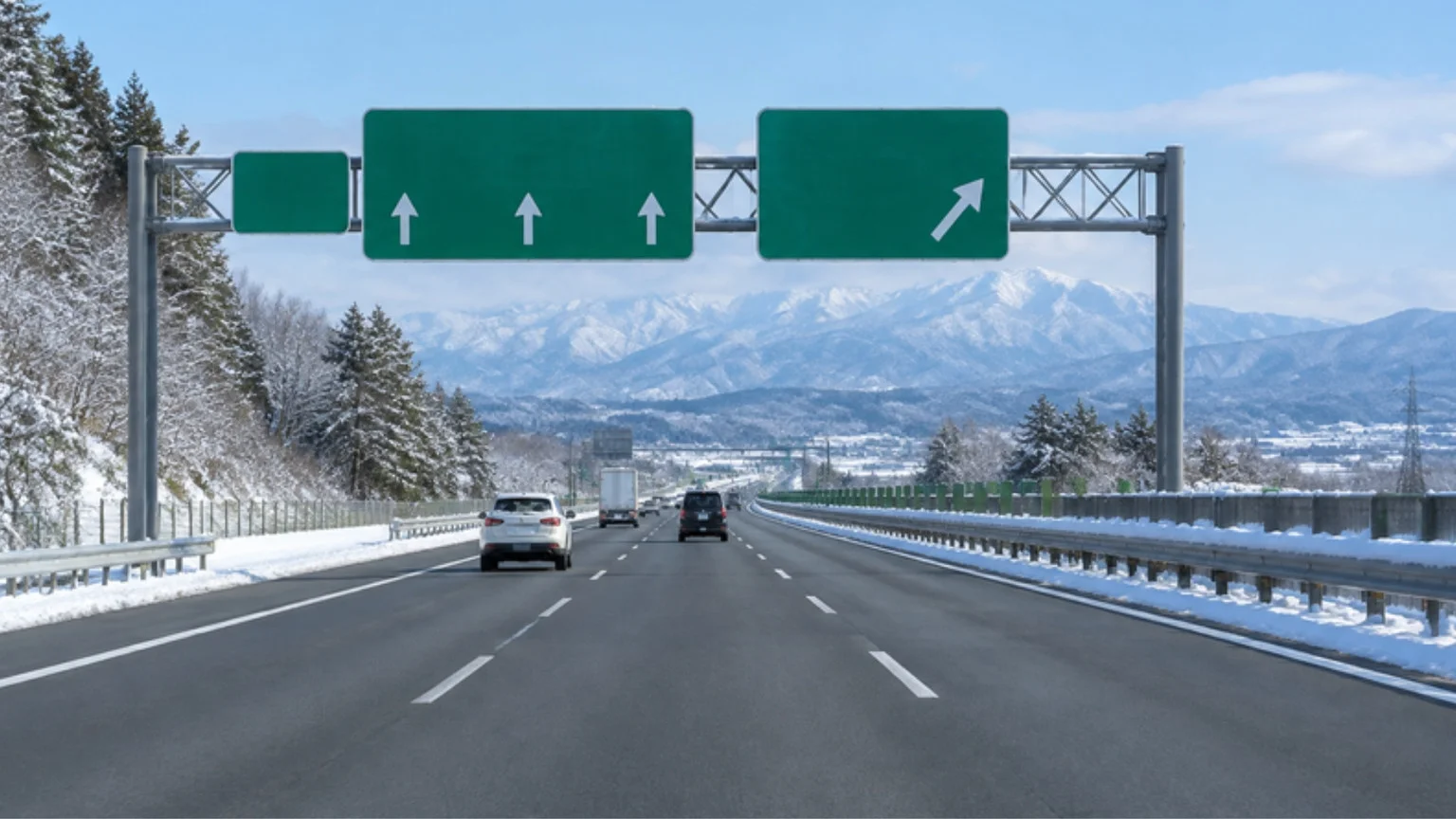
- Coverage is typically regional (for example, a specific set of expressways in one part of Honshu or Hokkaido) rather than nationwide — confirm your planned route is actually covered before assuming the pass applies.
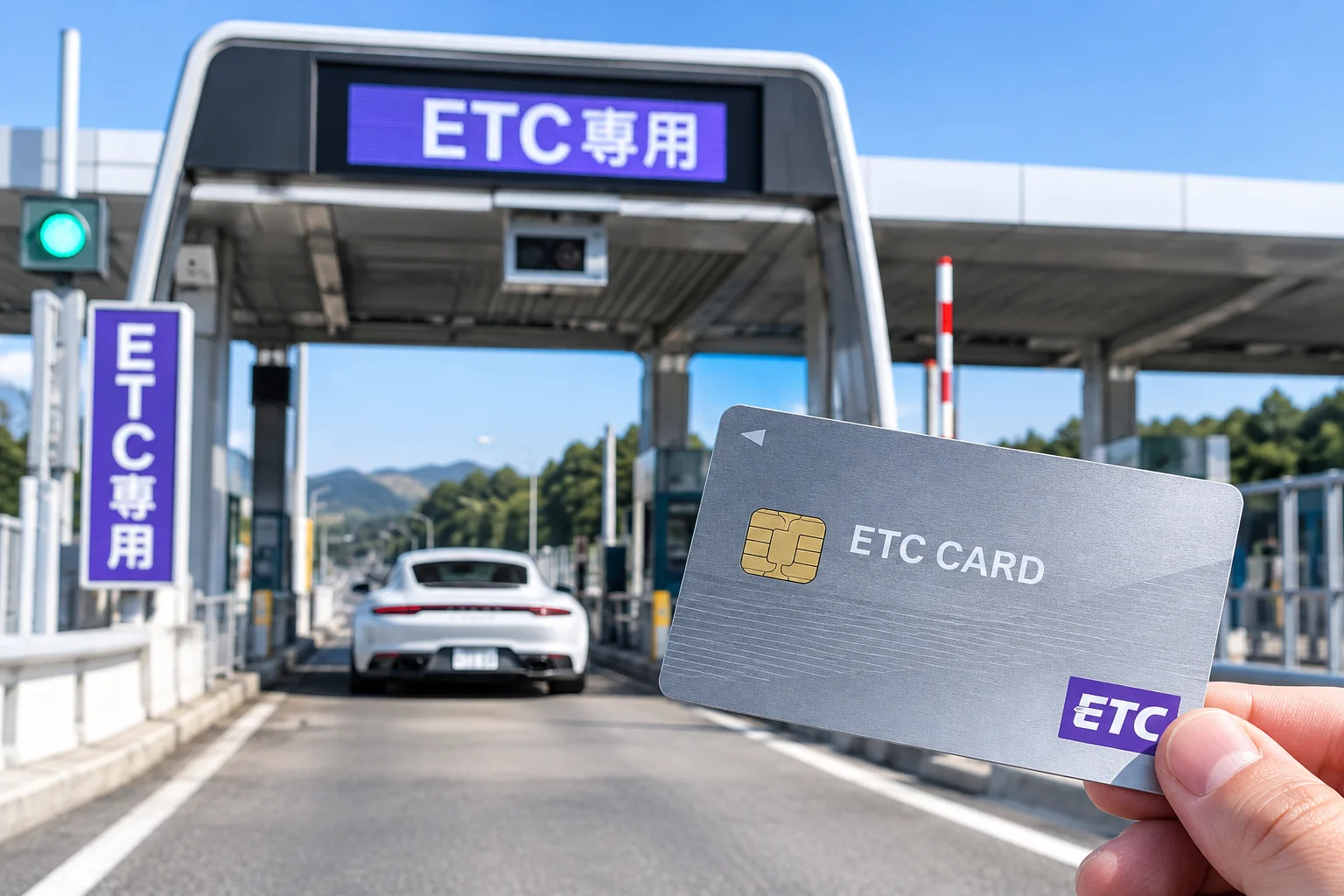
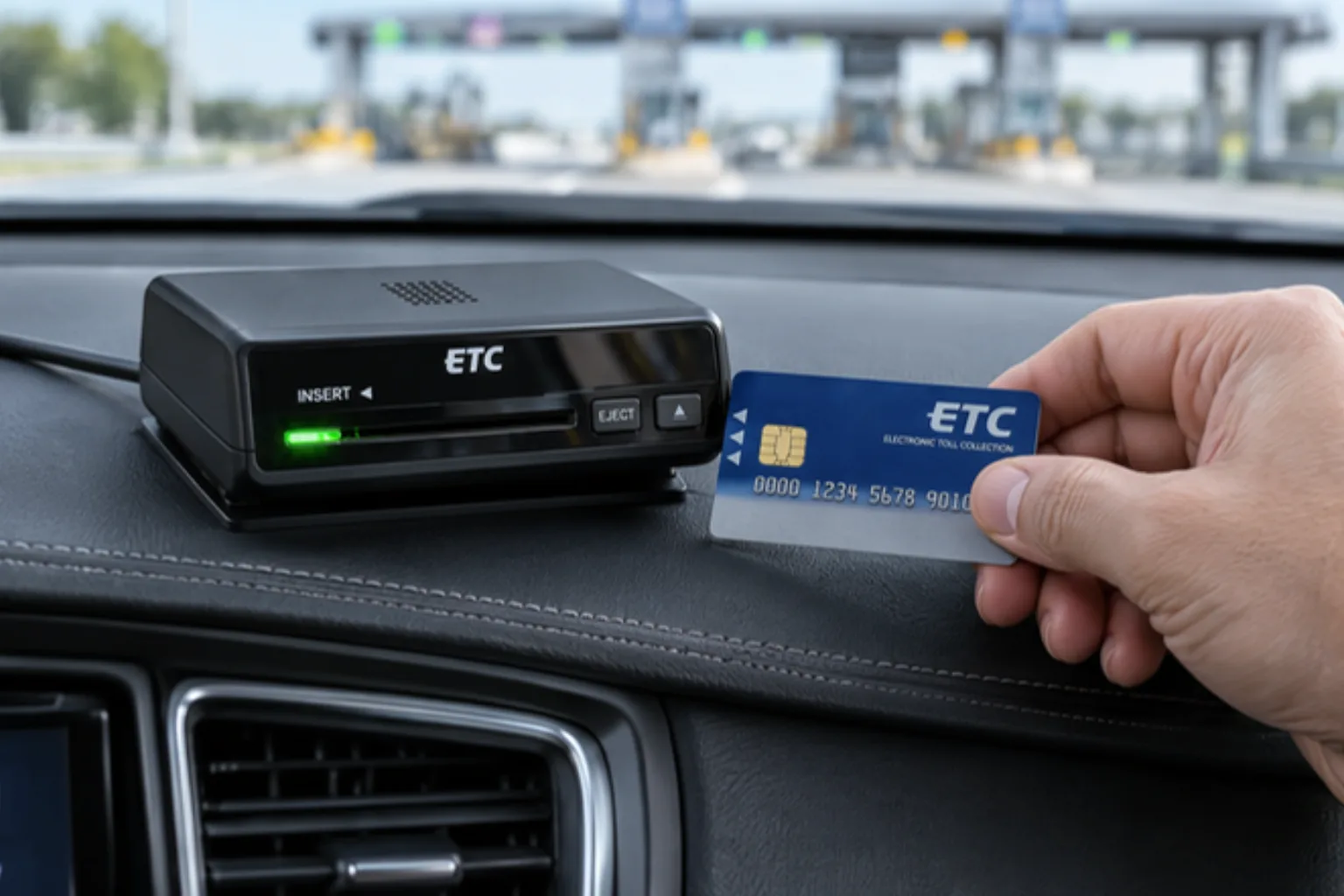
- You still need an ETC-compatible vehicle and card setup to use expressway ETC lanes, even with a flat-rate pass. See our ETC highway tolls guide for how the ETC system itself works.
Pass vs. paying tolls directly
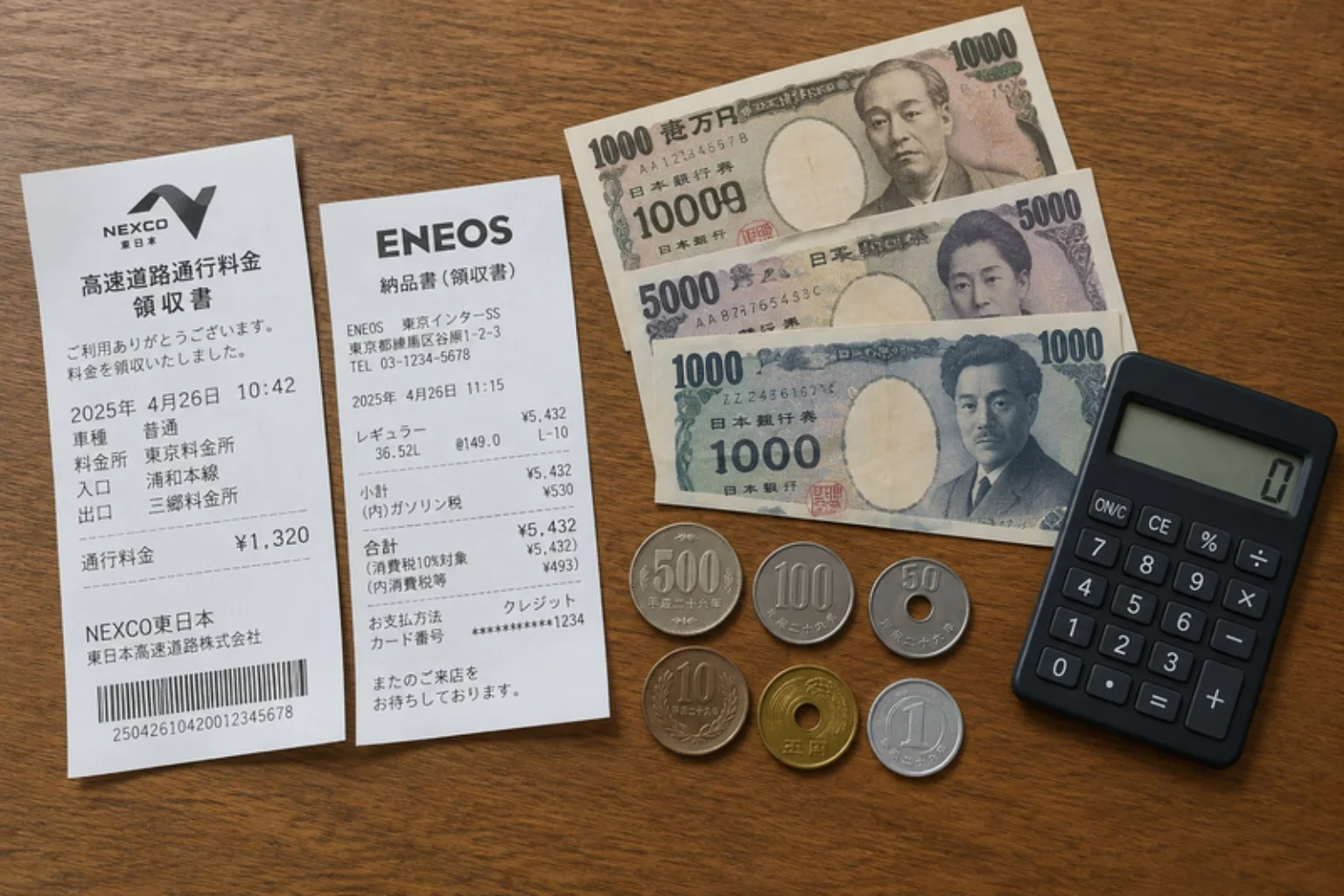
Whether a flat-rate pass is worth it depends on your route and how much expressway driving you're doing. For a long, multi-leg trip with lots of expressway segments, a pass can come out cheaper than paying each toll. For a shorter or more point-to-point trip, paying tolls individually through ETC may cost less and avoids the pass's regional restrictions. Run the math on your actual planned route before deciding — our self-drive cost simulation guide can help estimate typical toll costs for comparison.
Not sure if your route is covered by a pass? Check the specific operator's official coverage map for your trip before booking, since regional passes don't cover all expressways nationwide.
Expressway pass programs, pricing, and eligibility change by operator and season — confirm current details directly with NEXCO or the relevant toll road operator before your trip.