JAPOW VANS
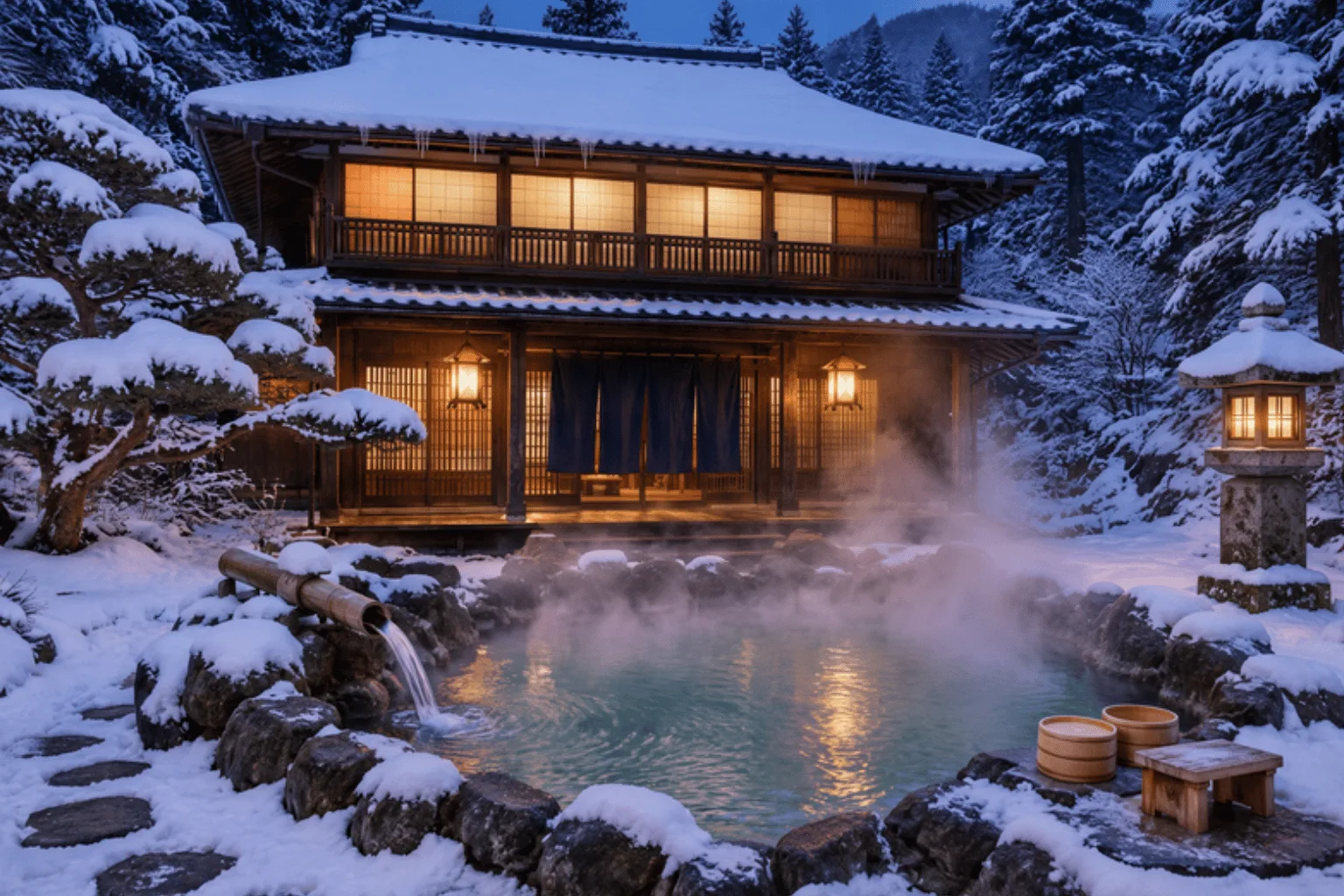
An onsen is a natural hot spring bath, and in ski towns like Nozawa Onsen and Hakuba, soaking after a day on the mountain is as much a part of the local culture as the skiing itself. The rules are simple once you know them, but they're rarely explained in English, and getting them wrong is one of the more common first-time-visitor mistakes.
Wash before you get in the bath
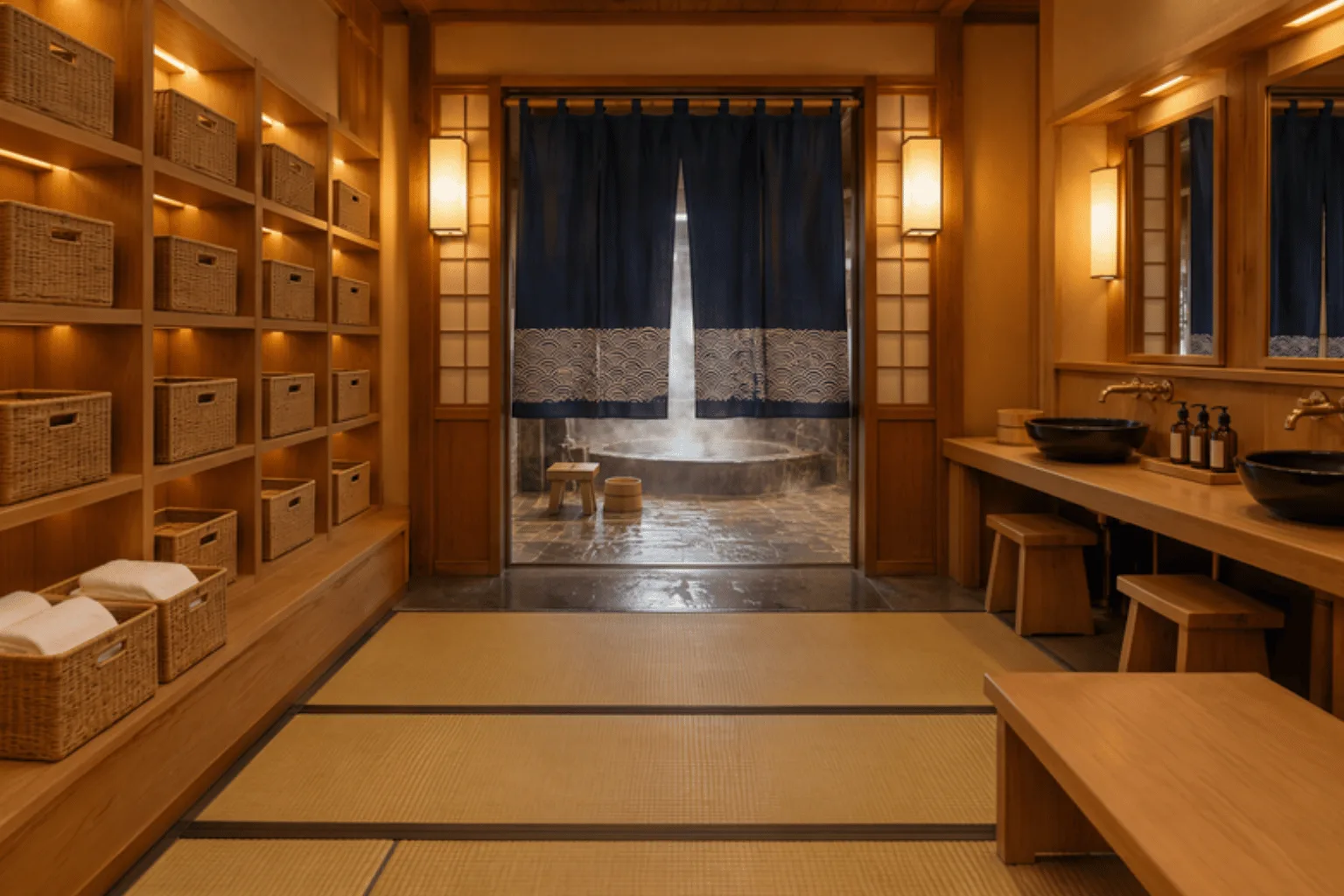
The bath itself is for soaking, not washing. Every onsen has a washing area with low stools and handheld showers before you enter the bath — sit down and rinse off completely, including shampooing your hair if you plan to, before stepping into the water. The bathwater is shared by everyone after you, so this isn't optional.
No swimsuits, and mind the small towel
Onsens are bathed in without clothing. You're given (or can rent) a small hand towel, which is used to wash with and can be held in front of you for modesty while walking around — but it should never go into the bathwater itself. Most people fold it and set it on their head or beside the bath while soaking.
Baths are separated by gender
Public onsen baths are almost always split into separate men's and women's sections, marked with the kanji 男 (men) and 女 (women) or colored curtains (blue/white for men, red for women is common but not universal — check the curtain color or ask staff if unsure).
Tattoos are sometimes restricted
Many onsens, especially larger hotel baths, still restrict visible tattoos due to a historical association with organized crime. Policies vary a lot by location — some allow small tattoos if covered with a waterproof patch, some allow tattoos outright, and some turn visitors away. If you have visible tattoos, it's worth checking with your accommodation or the bath directly before you go, or asking about tattoo-friendly options in the area.
Nozawa Onsen has free public baths open to everyone. The village runs 13 free soto-yu bathhouses, each with slightly different customs and often no staff on site — see our Nozawa Onsen guide for details on using them respectfully.
A few other basics
- Tie up long hair so it doesn't touch the water.
- Keep voices low — onsens are meant to be relaxing, not social hangout spots.
- Don't take photos inside the bathing area, even of friends.
- Avoid entering if you have an open wound, skin condition, or have been drinking heavily.
Individual onsen rules (tattoo policy, towel rules, photography) vary by facility — check signage on site or ask staff if you're unsure.