JAPOW VANS
Major Japanese ski resorts have become fairly card-friendly in recent years, especially for lift tickets. But once you step off the resort property and into the surrounding town, acceptance gets patchier — a lot depends on the size of the business and how rural the area is. Plan for a mix of payment methods rather than relying on one.
Lift tickets: mostly card-friendly
At the ticket windows of most major resorts, credit cards (Visa, Mastercard, JCB and others) are widely accepted, and automated ticket machines increasingly support QR code payment apps as well as cash. Many resorts have also moved to IC chip lift passes — a reusable card you tap at the gate instead of showing a paper ticket — which usually require a refundable deposit of around ¥500–¥1,000, returned when you hand the card back. If you're buying online in advance, be aware that some resort web shops only accept credit card payment, with no cash option at that stage.
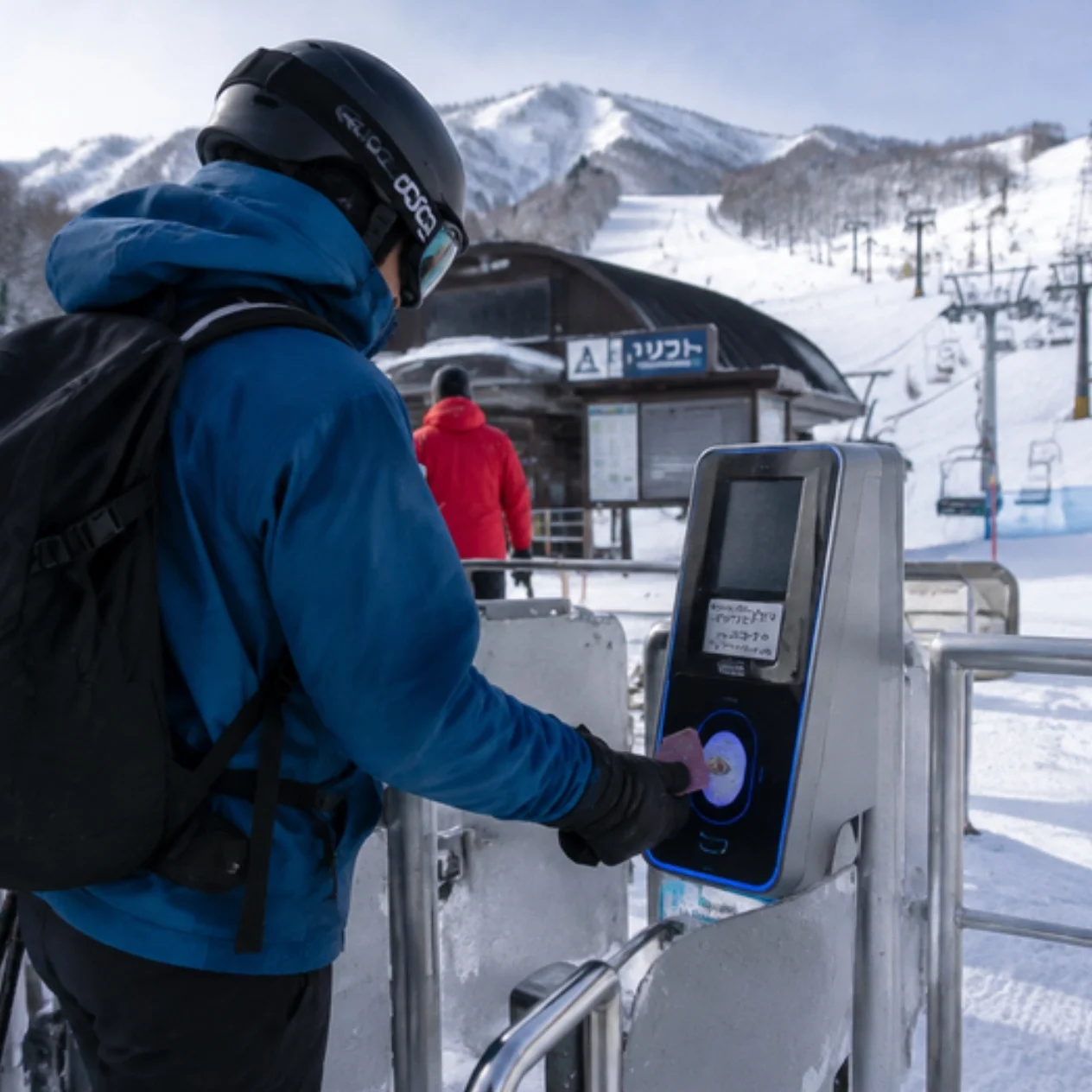
IC cards double as a payment tool
If you're carrying a transit IC card such as Suica, PASMO, or ICOCA (picked up at any train station), it isn't just for trains — it works as a tap-and-go wallet at convenience stores, vending machines, and station kiosks nationwide, and a number of resorts accept it directly for lift tickets alongside credit cards. It's a convenient backup even on a self-drive trip where you're not using public transit.
Smartphone wallets can be unreliable. Apple Pay and Google Pay work in Japan for IC card functions in some cases, but overseas-issued mobile wallets don't always work the same way they do at home, and apps like Alipay are generally not usable by non-resident visitors. Carry a physical card as your primary method.
Where cash is still necessary
Outside the main resort facilities, cash remains common at:
- Small, independently run restaurants and izakaya in resort villages
- Traditional ryokan and smaller guesthouses
- Local onsen (hot spring) entrance fees
- Rental equipment shops and small gear stores
- Coin parking machines at smaller lots (see our parking in Japan guide)
None of this is unique to ski areas — it reflects a broader pattern across rural Japan, where card terminal costs are harder for small, seasonal businesses to justify.
| Where | What to expect |
|---|---|
| Major resort lift tickets | Credit card and often QR/IC card accepted |
| Convenience stores | Credit card, IC card, and QR payment all commonly accepted |
| Small restaurants / ryokan / onsen | Cash-only is common, especially in smaller towns |
| Coin parking | Varies by operator — cash almost always works; cards and e-money not guaranteed |
Finding an ATM. 7-Eleven ATMs reliably accept foreign-issued cards and are one of the most dependable ways to get cash in Japan — and since most towns have at least one convenience store, that holds true even in fairly rural ski areas.
A simple payment stack for a ski road trip
You don't need to overthink this. A practical combination for a one- to two-week self-drive trip:
- One or two physical credit cards (Visa or Mastercard have the widest acceptance)
- A transit IC card for small purchases at convenience stores and vending machines
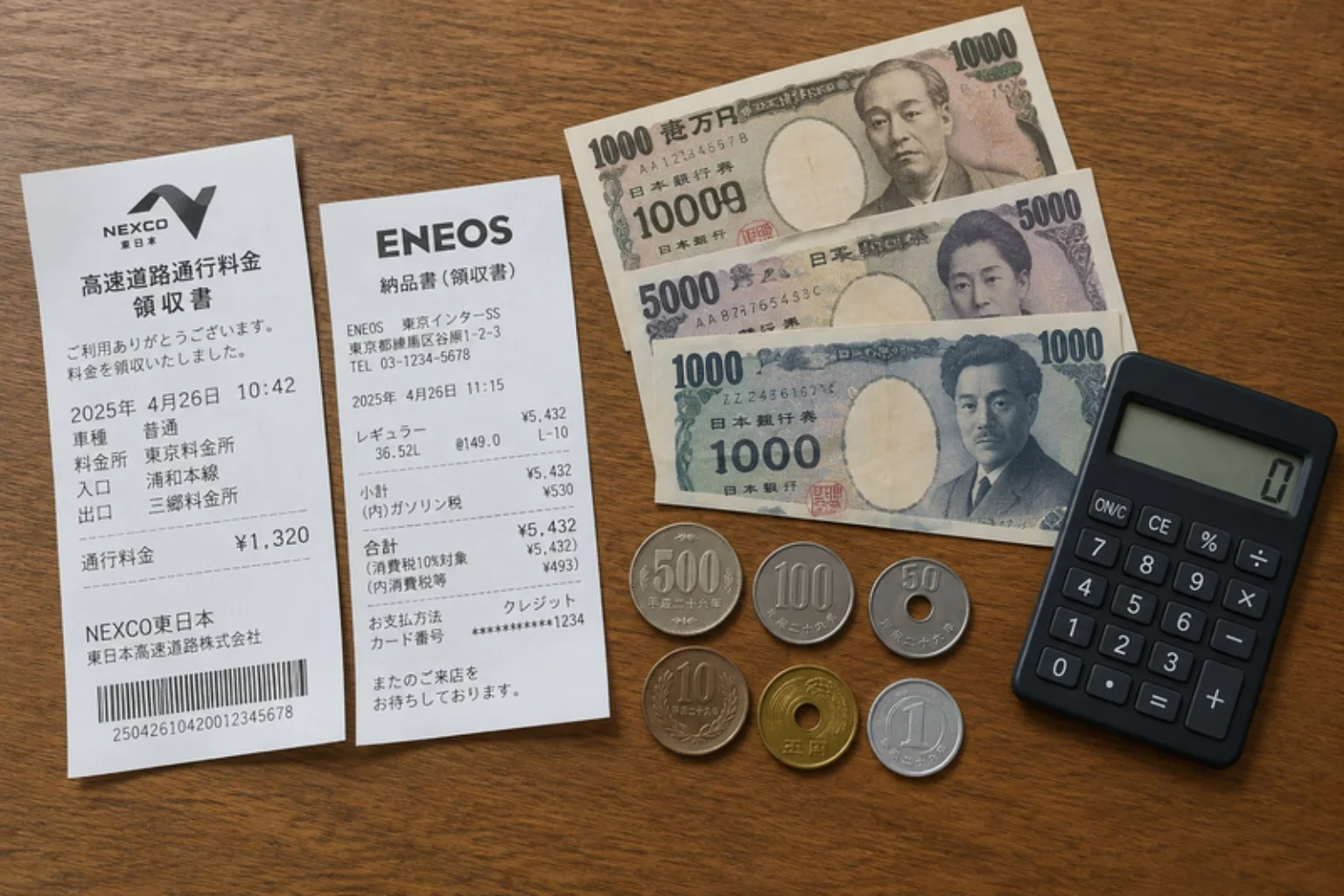
- Enough cash to cover a few days of incidentals — many travelers find somewhere around ¥20,000–¥30,000 for a week comfortable, topped up at a 7-Eleven ATM as needed
Planning tips
- Check your specific resort's website for accepted payment methods before you go — it varies resort to resort.
- Keep small cash on hand for coin parking and roadside stops; see our gas stations & convenience stores guide for where to restock along the way.
- If your trip includes toll roads, note that ETC toll charges are usually settled separately through your rental provider — see our ETC and expressway tolls guide.
Payment acceptance varies by business and can change. When in doubt, ask before you order, or check a resort's official website.