JAPOW VANS
Being stopped by police in Japan is a low-key, procedural experience compared to what visitors from some countries expect. Officers are generally polite and matter-of-fact, and the goal of the stop is almost always administrative — checking documents or issuing a ticket for a specific violation — not an adversarial encounter.
How you'll be signaled to stop
A patrol car will typically pull alongside or behind you with lights on and use a loudspeaker, or an officer will wave you over at a checkpoint. Pull over to the left shoulder or nearest safe spot as soon as you reasonably can, turn on your hazard lights, and wait for the officer to approach your window.
What you'll need to show
| Document | Why it's needed |
|---|---|
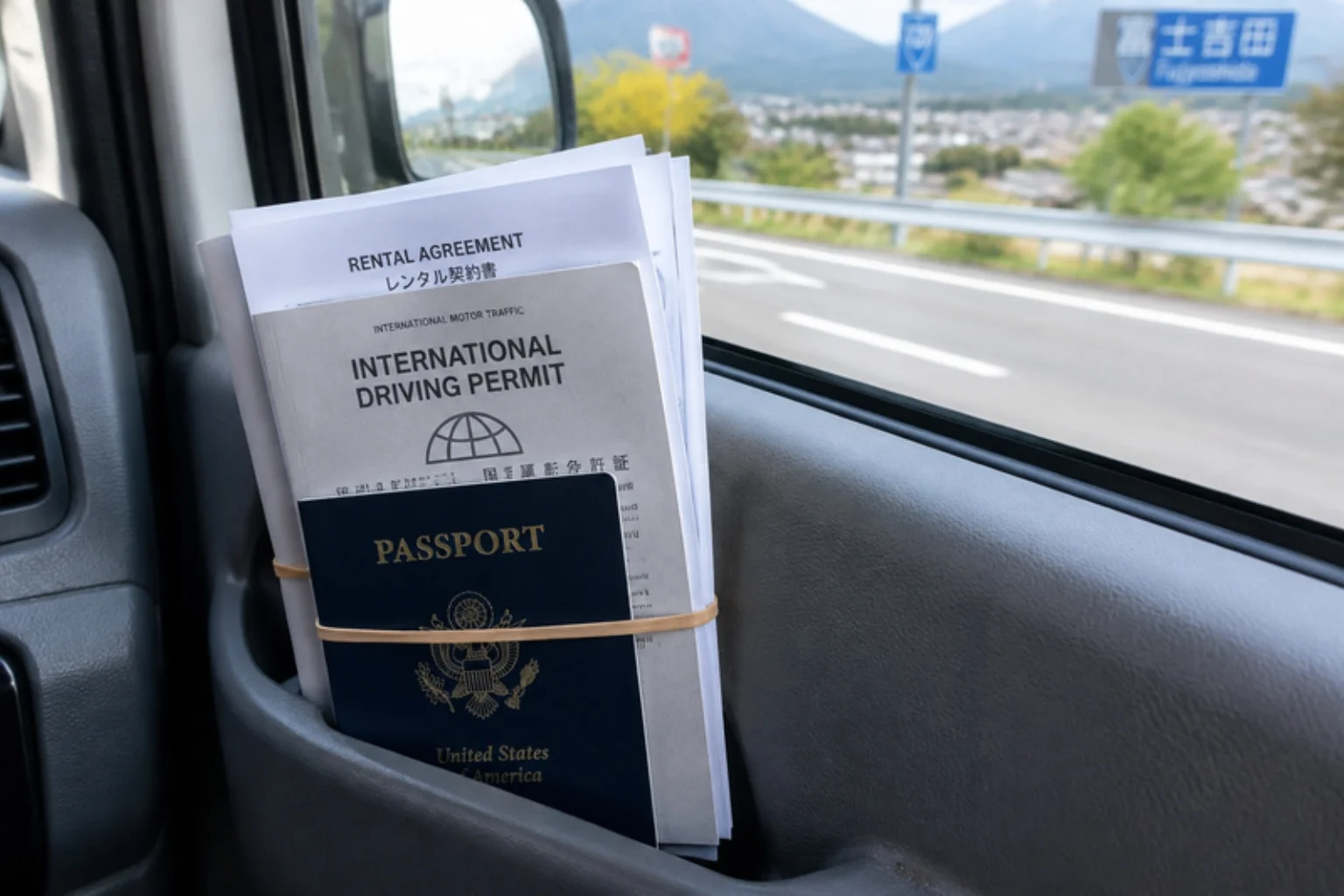
| Passport | Required identification for foreign nationals in Japan at all times. |
| International Driving Permit + home license | Your legal authorization to drive in Japan — see our IDP guide for which document combination is valid. |
| Rental agreement | Confirms you're the authorized driver of the vehicle. |
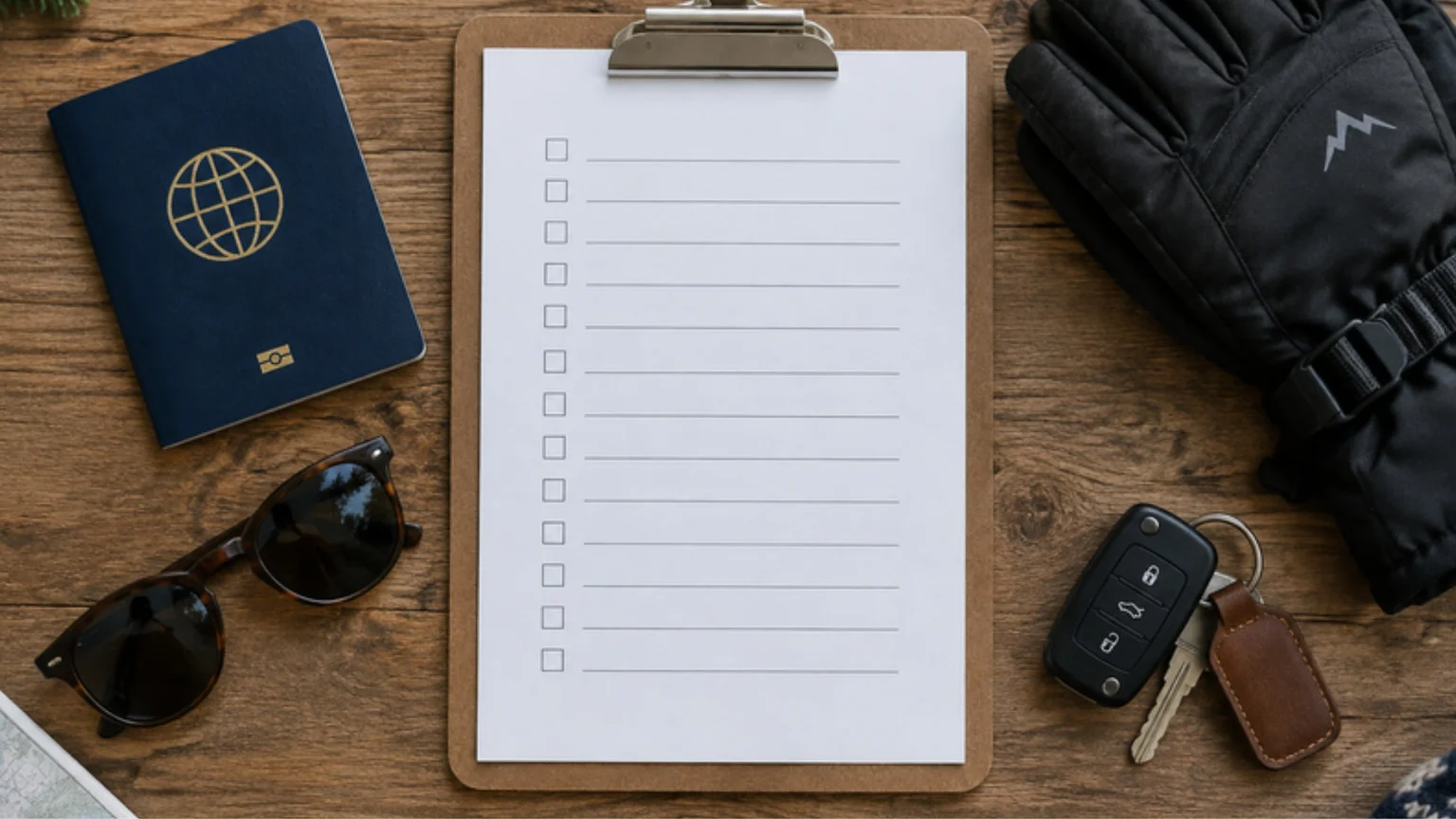
Keep all of these together and easily reachable in the van rather than scattered across bags — fumbling for documents is the most common source of delay in an otherwise quick stop.
Blue tickets vs. red tickets
For minor violations (a modest speeding amount, a parking violation, and similar), Japan uses a simplified traffic-fine system informally called the "blue ticket" (青刷娘, seichō tsukoku-sho). You're issued a notice and pay the fine at a bank, post office, or other designated location within a set number of days; no court appearance or criminal record results. For more serious violations — large speeding margins, drunk driving, causing injury — Japan uses the "red ticket" (負刷娘) process instead, which moves into formal criminal procedure.
If you don't understand what's being said: it's reasonable to say clearly that you don't speak Japanese and ask if the officer speaks English, or to call for assistance. Don't sign anything you don't understand, and don't guess at an answer to avoid an awkward pause — ask for clarification instead.
If it's an accident, not a routine stop
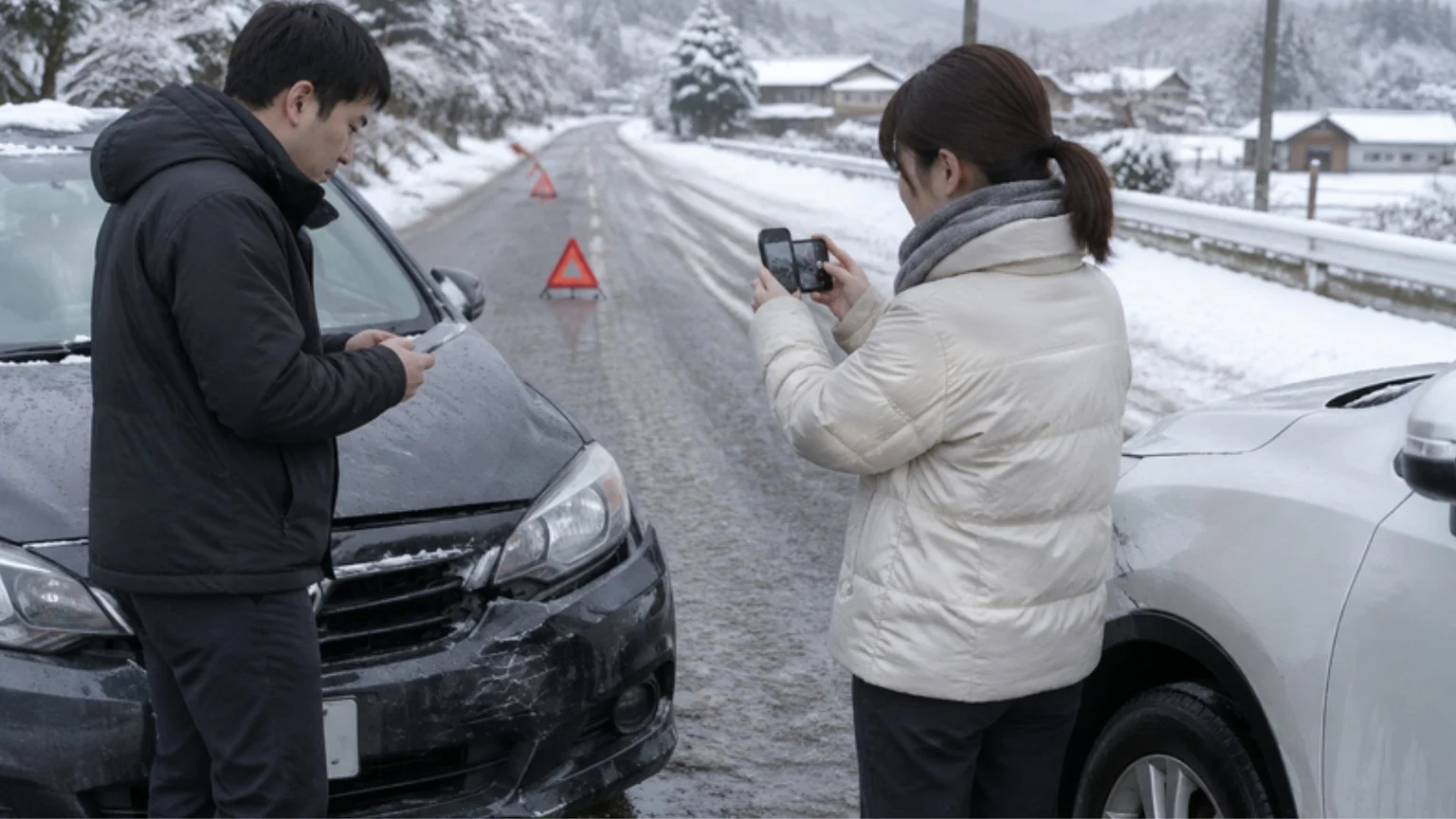
A traffic stop for a minor violation is different from the aftermath of a collision. If you're involved in an accident, follow the specific reporting steps in our car accident guide, including calling 110 and using JAF's multilingual helpline if needed.
Enforcement details and fine amounts vary by violation and are set by the National Police Agency and prefectural police. Confirm current procedures with official sources.