JAPOW VANS
JAPOW VANS is a vehicle rental company — we don't provide guiding, avalanche training, or backcountry certification. This page is a general orientation, not a substitute for proper training or a certified guide. If you're new to backcountry travel in Japan, hire a qualified local guide.
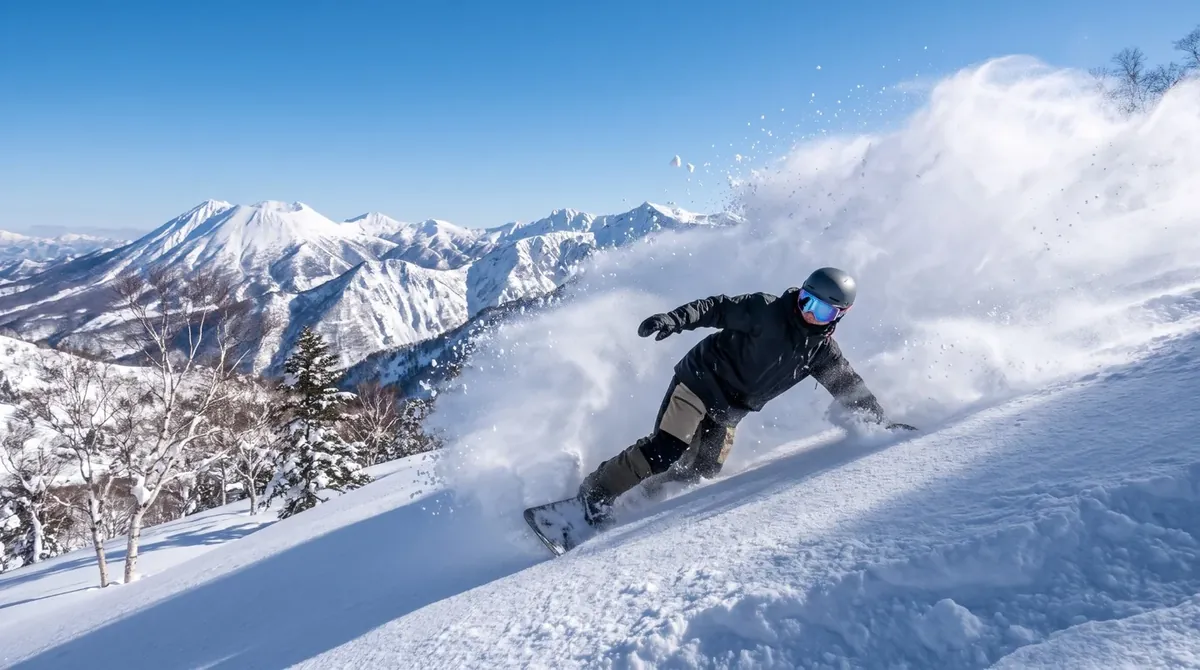
Deep, reliable snowfall is exactly what makes Japan's backcountry appealing — and exactly what makes avalanche risk real. Terrain that looks like a gentle side-country lap can slide, and conditions vary a lot between regions and storm cycles. A few basics go a long way toward a safer trip.
Check avalanche advisories before you go
The Japan Avalanche Network (JAN) publishes regional avalanche danger information during the winter season and is the most commonly cited resource for backcountry conditions in Japan. Check the advisory for your specific area before heading out, and understand that conditions can change quickly after new snowfall or wind loading.
Essential safety gear
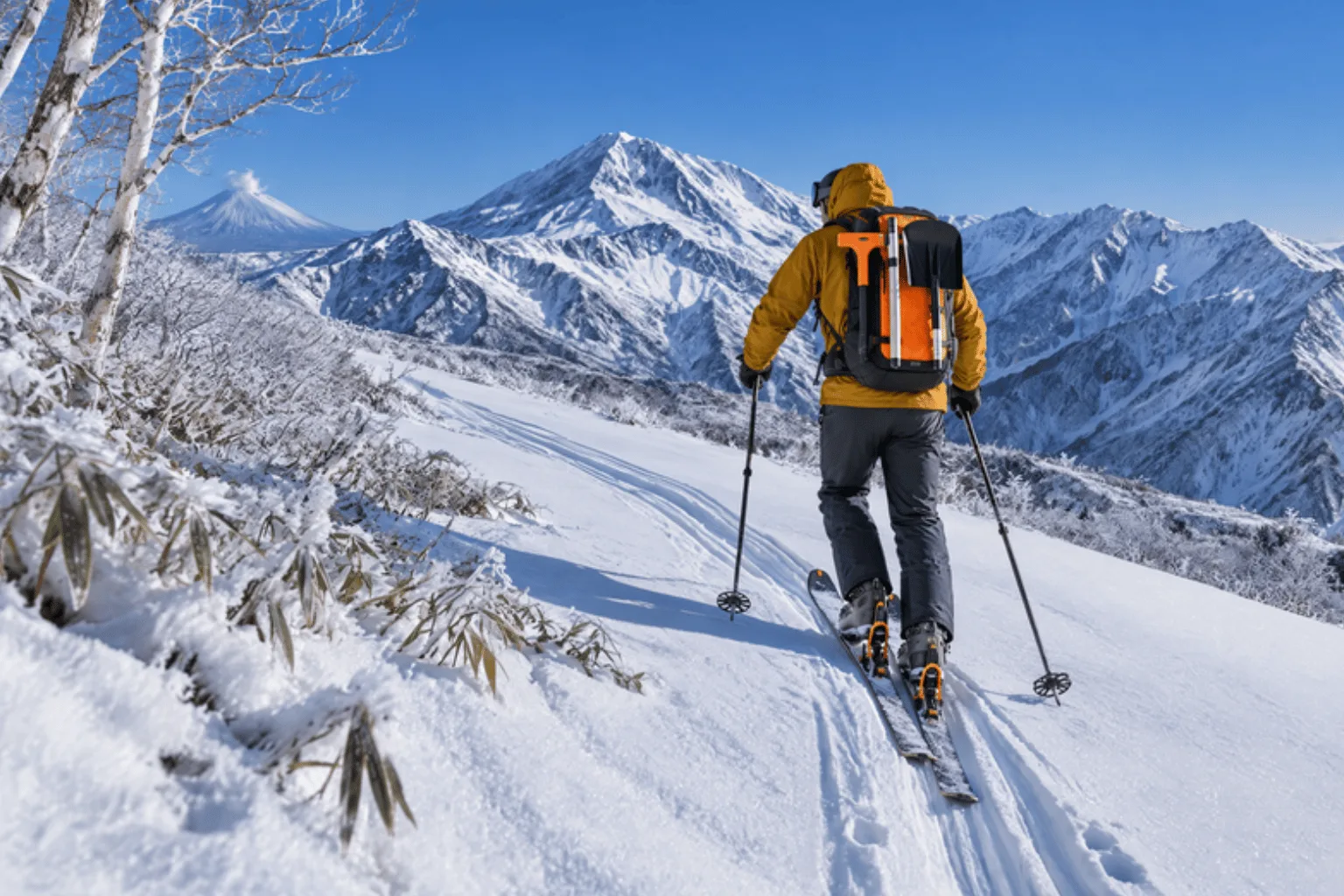
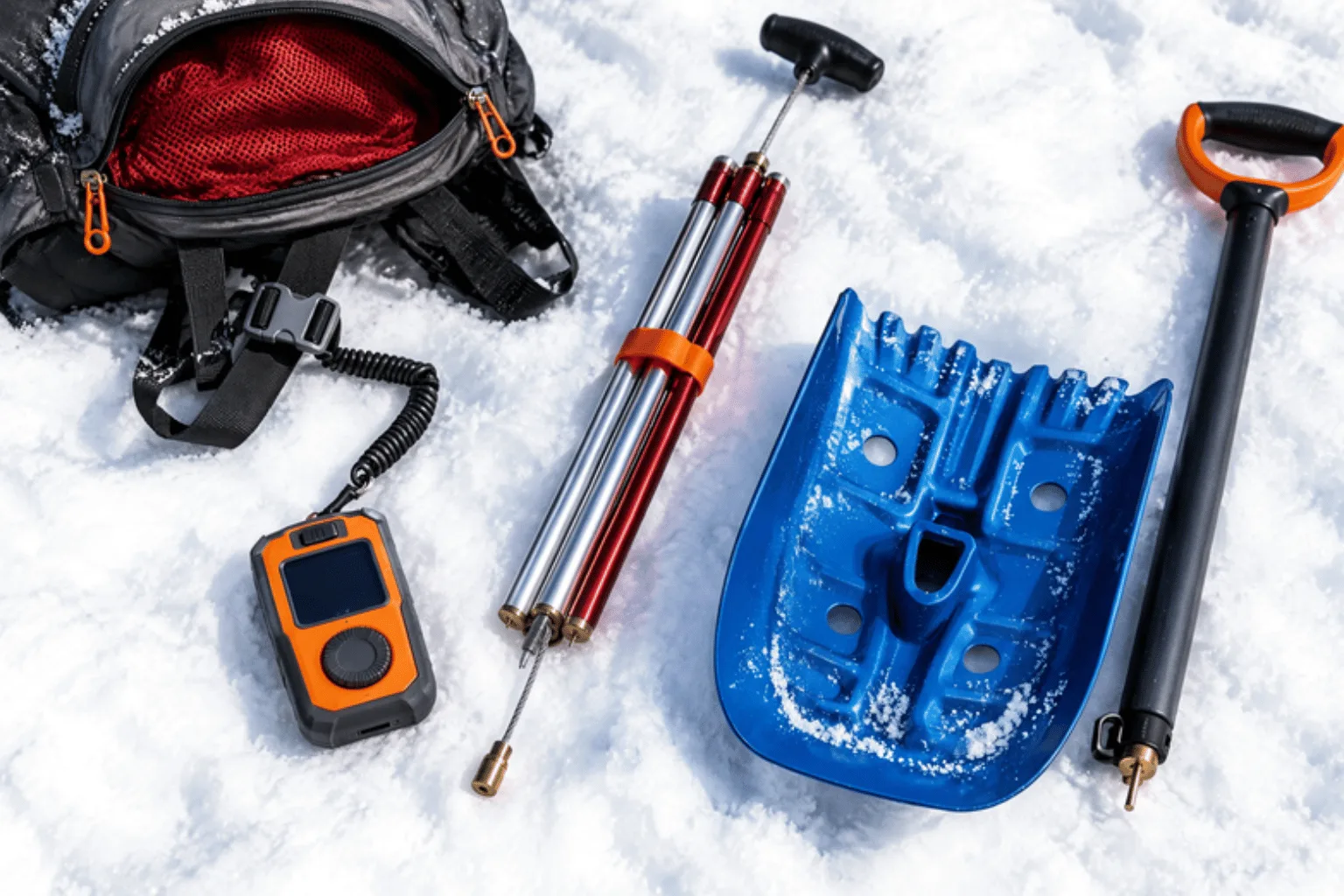
Anyone traveling in avalanche terrain should carry, and know how to use, the standard trio of rescue gear:
- Transceiver (beacon) — worn on your body, used to locate a buried partner
- Probe — to pinpoint a buried person's exact location
- Shovel — to dig them out quickly
Owning the gear isn't enough on its own — practice a companion rescue with your group before your trip so everyone knows what to do in an emergency.
Stay in bounds, or go with a certified guide
Resort-marked, in-bounds terrain is managed and patrolled. Side-country and backcountry terrain is not, even if the gate is right next to a chairlift. If you want to ski or ride outside resort boundaries and don't have deep local avalanche experience, the safest approach is to book a certified local guide who knows current conditions, terrain, and escape routes.
Travel with a partner, never alone
Backcountry terrain should always be traveled with at least one partner who can perform a rescue if something goes wrong. Share your planned route and expected return time with someone back at your lodging.
Consider a course before you travel
If backcountry skiing or riding is a regular part of your trips, an avalanche safety course (such as an AIARE Level 1 or regional equivalent) taken before you travel will teach you to read terrain, assess snowpack, and practice rescue scenarios — knowledge that a single trip briefing can't replace.
Avalanche conditions change daily and vary by region — always check current regional advisories (for example, from the Japan Avalanche Network) and consult a certified local guide rather than relying solely on this page.