JAPOW VANS
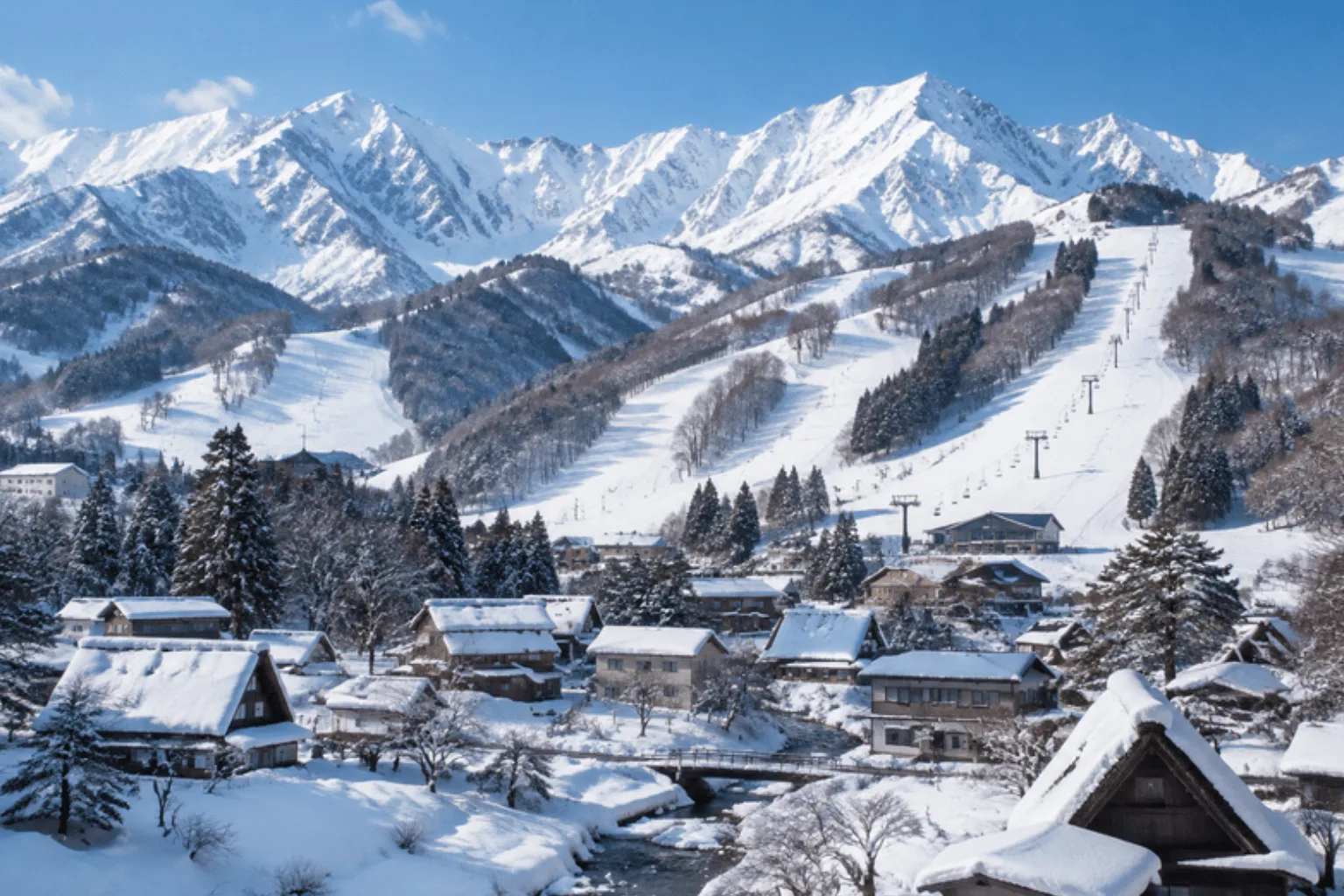
First-time visitors often expect Hakuba to work like a single resort with one base area and one set of lifts. It doesn't. Hakuba Valley, in Nagano Prefecture, is a string of ten separate ski areas spread along roughly 15 km of valley floor, each with its own lift system and village. Understanding that layout before you book accommodation makes a real difference to how your trip runs.
The ten resort areas
From south to north, the main areas are: Hakuba47 Winter Sports Park, Hakuba Goryu, Hakuba Cortina, Hakuba Sanosaka, Tsugaike Kogen, Hakuba Happo-One, Hakuba Iwatake, Hakuba Norikura Onsen, and Hakuba Kashimayari. Happo-One is the largest and best known, with the widest range of terrain and the most lift-served vertical. Goryu and Hakuba47 sit next to each other and share a joint lift pass, so they're often treated as one combined area. Cortina and Tsugaike Kogen are further north and tend to hold powder longer since they see less traffic.
| Resort area | Known for |
|---|---|
| Happo-One | Largest terrain, longest season, best mix of beginner-to-advanced runs. |
| Goryu & Hakuba47 | Linked by a shared lift pass; good tree runs and a terrain park. |
| Cortina | Quieter, powder-focused, popular with experienced riders. |
| Tsugaike Kogen | Wide, gentle slopes; a strong choice for families and beginners. |
Where to base yourself
Most overseas visitors stay in or near Happo-One's base village (Echoland or Wadano), since it has the largest concentration of restaurants, rental shops and lodging, and sits roughly central in the valley for day trips to the other areas. If Tsugaike or Cortina are your priority, basing further north cuts down on daily drive time at the cost of fewer dining options within walking distance.
Getting between resort areas
A free shuttle bus network connects the villages during the winter season, but schedules are limited and buses fill up on powder mornings. Having your own van means you can leave for first lift on your own schedule, carry gear for the whole group without repacking, and change plans the night before based on which area got the most fresh snow — something you can't do if you're tied to a shuttle timetable.
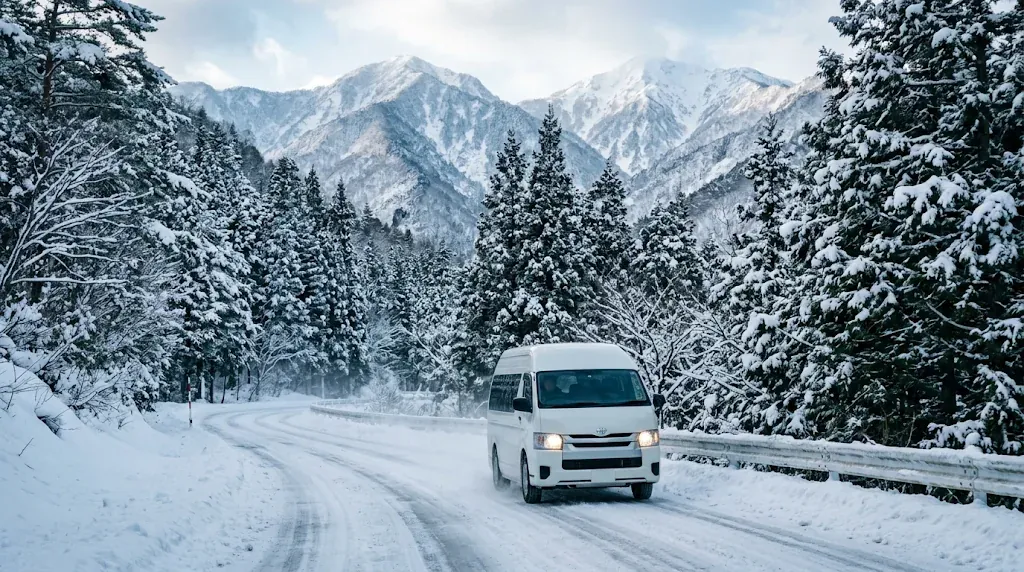
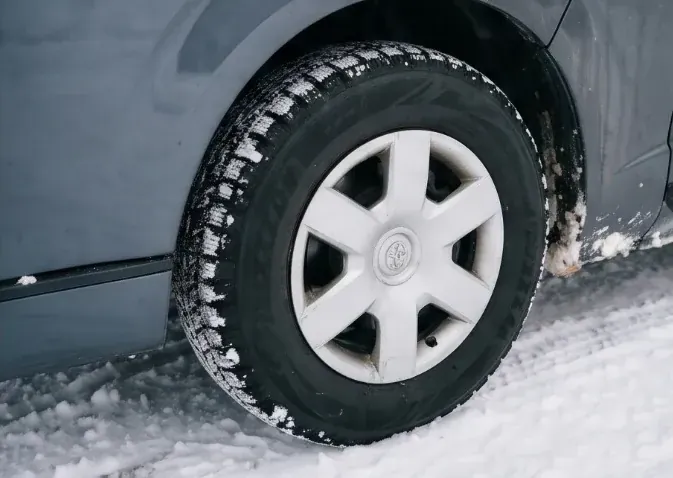
Driving between Hakuba's resort areas in winter still means mountain roads. Studded and winter tires are required by law on snow-covered roads in Nagano, and our rentals come fitted with them as standard. See our winter driving rules guide for details.
Getting to Hakuba Valley
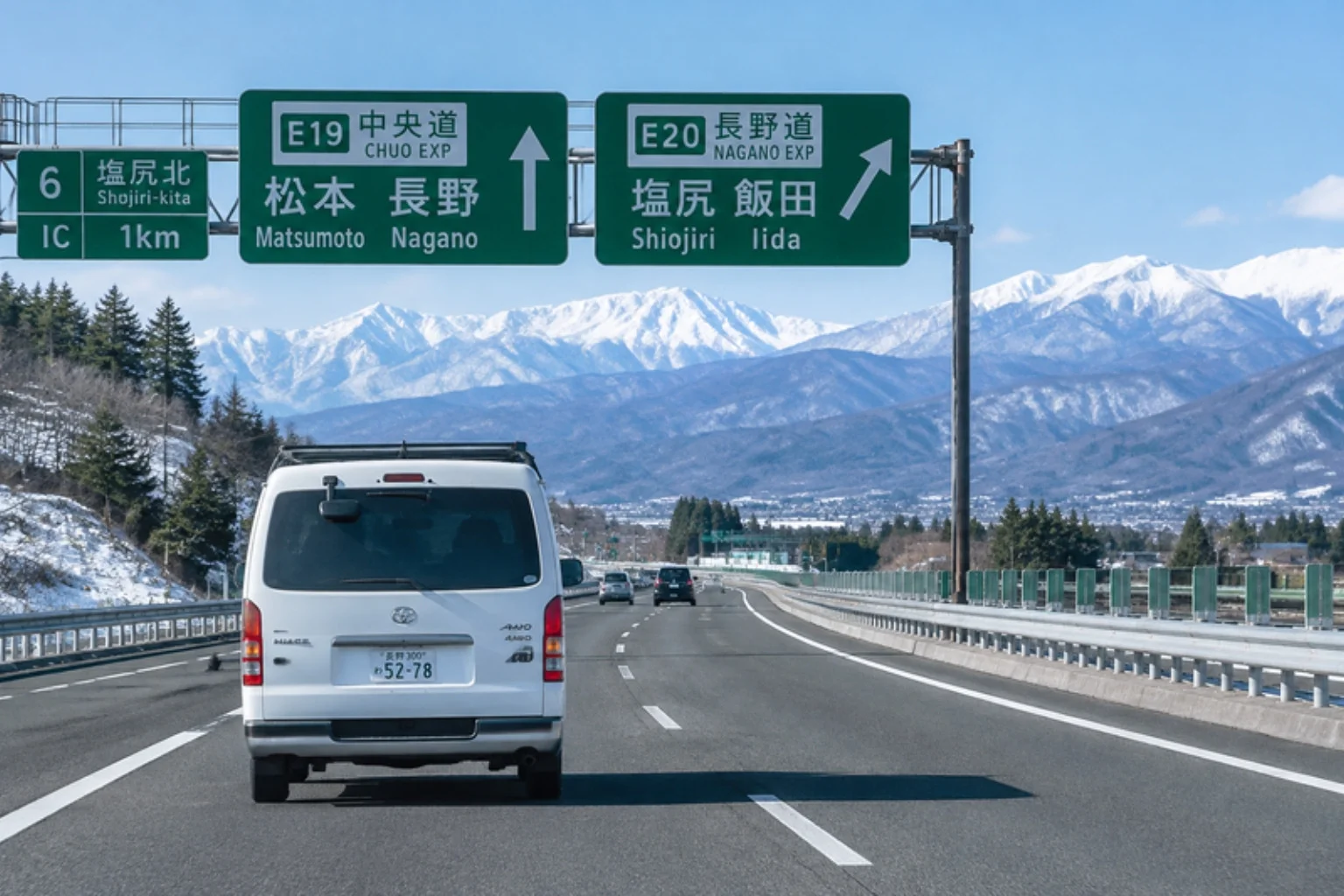
By expressway from central Tokyo, Hakuba is roughly a 3.5-hour drive in dry conditions — longer in winter once you account for reduced speed limits and possible chain-regulation stops. We cover the full route, including where to stop, in our Tokyo to Hakuba driving guide.
Resort layouts, lift pass arrangements and shuttle schedules can change between seasons. Check current details with each resort area directly before finalizing your plans.