JAPOW VANS
Speed limits in Japan are generally lower than drivers from the US, Canada or Australia expect, and the country still uses a few road signs found nowhere else in the world — most famously its stop sign. None of this is complicated once you know what to look for, but it's worth five minutes before you pick up the keys.
How Japan's speed limit system works
Japan has two layers of speed limit: a default legal limit that applies automatically when no sign is posted, and a posted limit that overrides the default wherever a sign is displayed. For a standard passenger vehicle:
| Road type | Default limit when unsigned |
|---|---|
| Ordinary roads | 60 km/h |
| Expressways (highway) | 100 km/h maximum, 50 km/h minimum |
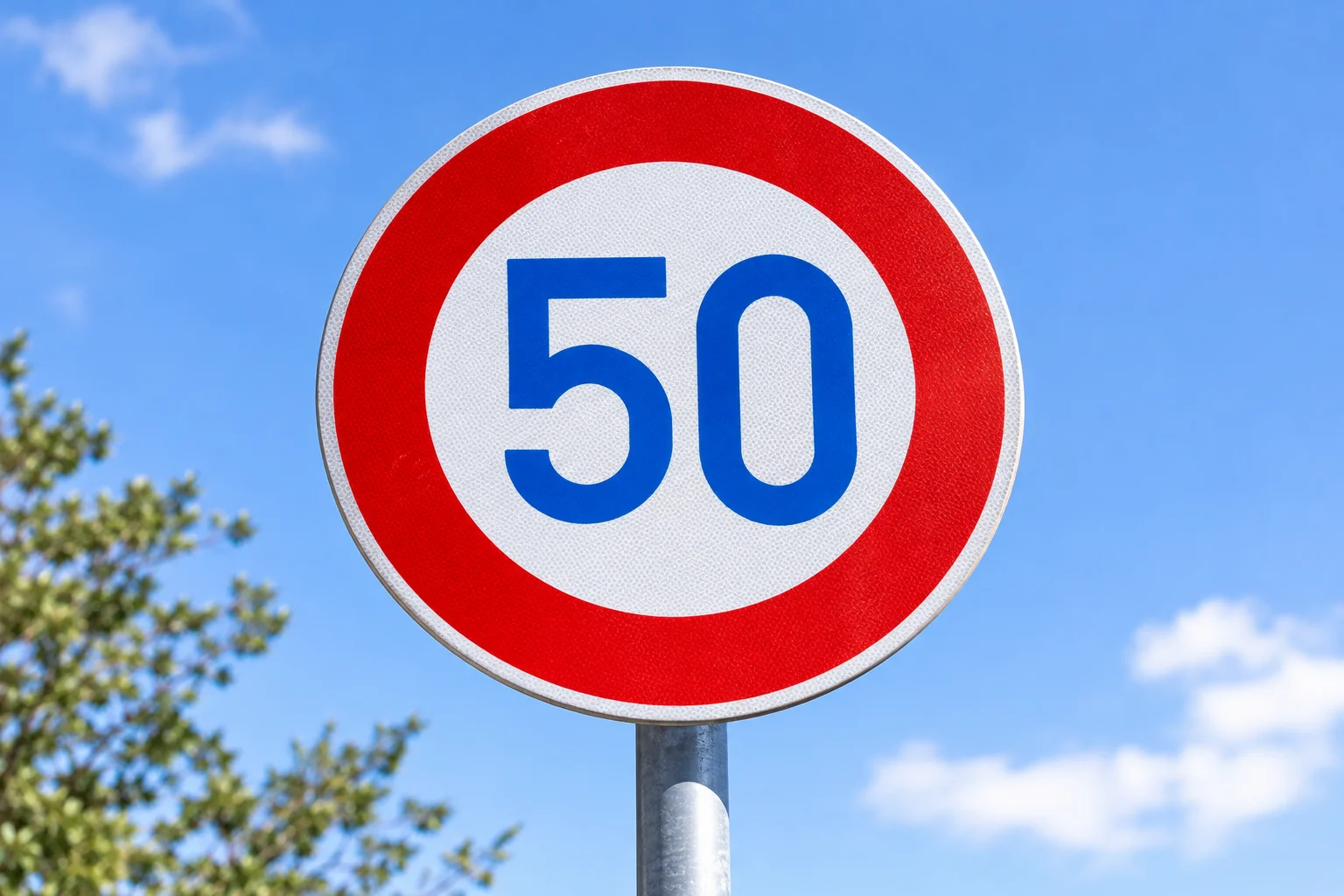
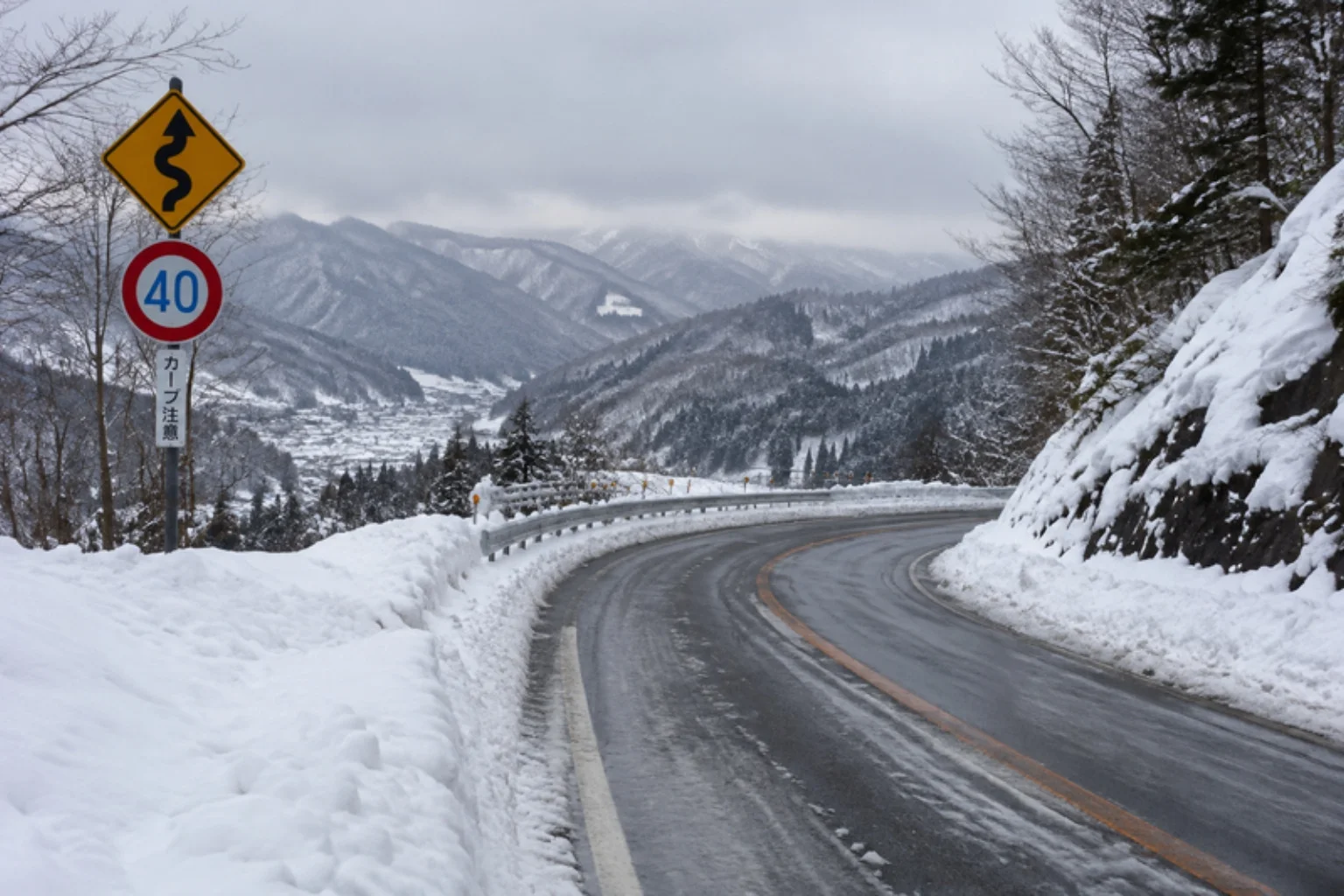
In practice, most roads you'll drive — city streets, mountain roads, the approach into a ski resort — have a posted speed limit shown on a round, red-bordered sign with the number in black. Where no such sign exists, the 60 km/h default applies automatically; it's not a suggestion.
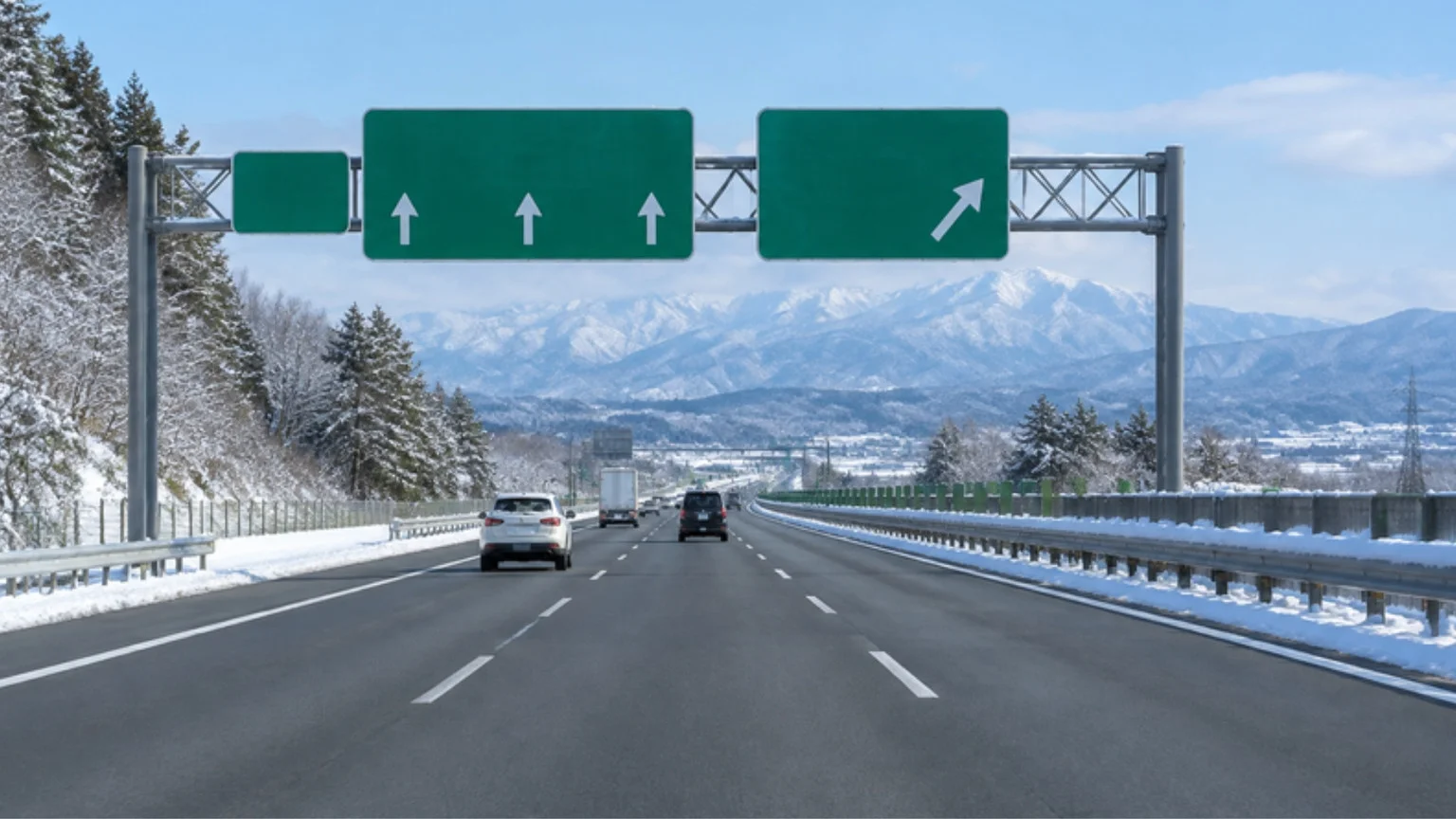
Expressways have a minimum speed too. On unrestricted sections of expressway, Japanese law sets a 50 km/h floor as well as the 100 km/h ceiling — driving too slowly in the main lanes is itself a violation, except when conditions (fog, heavy snow, an obstruction ahead) make it unsafe to go faster.
A few expressway sections now allow 120 km/h
Since 2020, select stretches of the Shin-Tomei Expressway and Tohoku Expressway have had their posted maximum raised to 120 km/h for passenger cars, following a multi-year trial. These sections are clearly signed with the higher limit; everywhere else, the default 100 km/h (or a lower posted limit) still applies. Always follow the number on the sign, not what you remember from a different stretch of highway.
Road signs you'll actually encounter
Japanese road signs fall into four official categories, each with its own color and shape, which makes them easier to tell apart at a glance even before you can read the text:
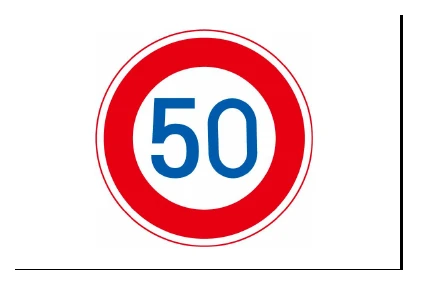 Regulatory
Red circle, white background. Prohibitions and limits — e.g. a speed limit, no entry.
Yellow diamond, black symbol. Hazards ahead — curves, crossings, slippery roads.
Blue circle or rectangle. Mandatory actions or permitted routes.
Blue (or green on expressways) rectangle. Directions and distances.
Japan's stop sign looks different from the rest of the world
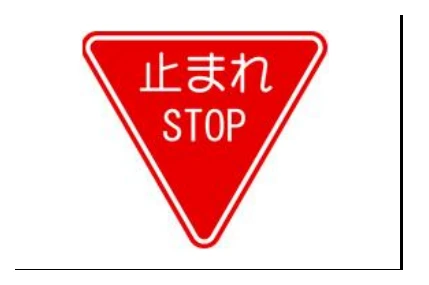
Almost everywhere else, a stop sign is a red octagon. In Japan, it's a red, downward-pointing triangle with the word 止まれ ("tomare") — and on newer signs, "STOP" in English too. The shape dates back to a 1963 redesign ahead of the 1964 Tokyo Olympics; Japan kept the triangle even after most of the world standardized on the octagon under a 1968 international treaty. It still means exactly the same thing: come to a complete stop, check carefully, then proceed.
Other signs worth knowing
These cover the signs international visitors encounter most often on a self-drive trip, based on the National Police Agency's official guide for foreign drivers:
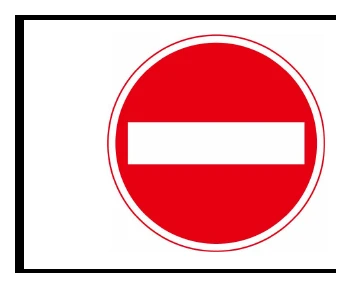 Regulatory
No entry — the street is one-way from the opposite direction. Common on narrow roads near ski towns and onsen villages.
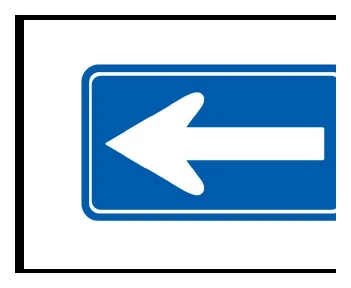 Instruction
One-way — you may only proceed in the direction the arrow points.
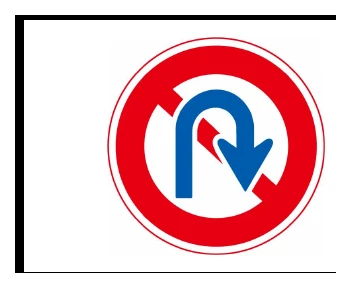 Regulatory
No U-turn — common near intersections and narrow mountain roads.
Minimum speed — blue circle, white number. Seen on unrestricted expressway sections; driving slower is a violation.
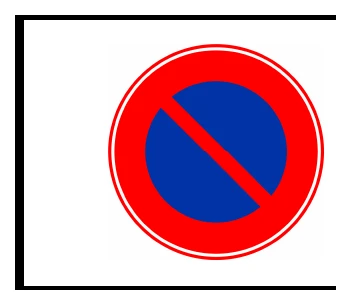 Regulatory
No parking — single diagonal line. Stopping briefly to load/unload is permitted.
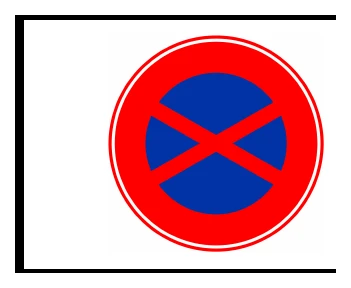 Regulatory
No stopping or parking — crossed lines. No stopping at all, even briefly.
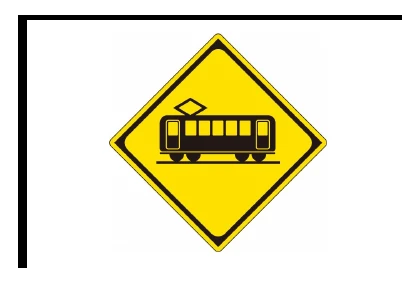 Warning
Railroad crossing ahead — always stop and check before crossing, even if the barrier is up.
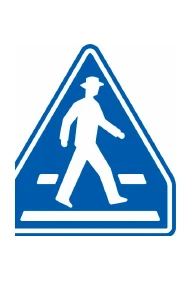 Warning
Pedestrian crossing ahead — pedestrians always have the right of way in Japan.
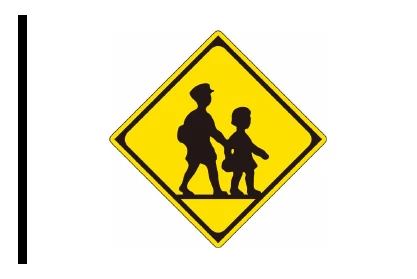 Warning
School zone / children — slow down near schools, especially morning and afternoon.
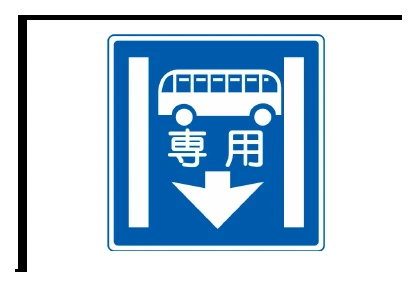 Instruction
Bus / taxi lane only — a dedicated lane for designated vehicle categories at certain times.
Tire chains required — posted on designated mountain pass sections during snow; see our winter driving guide.
Electronic speed signs — overhead matrix signs on expressways temporarily lower the limit for fog, snow, or an accident ahead. Treat these as mandatory, not advisory.
Sign images cropped from the National Police Agency's official pamphlet “Follow the Rules and Drive Safely in Japan” (警察府, National Police Agency), used and adapted under Japan's Public Data License (PDL1.0).
From the same official guide: pedestrians always have priority at crosswalks and intersections in Japan, you must come to a complete stop at every railroad crossing, and you must report any traffic accident to the police (110) — even a minor one with no injuries — and call an ambulance (119) if anyone is hurt.
Speed enforcement and penalties
Speed limits are actively enforced nationwide with a mix of fixed cameras and mobile camera units, including on rural and mountain roads, not just expressways. Fines and license penalty points increase with how far over the limit you were driving, and foreign visitors driving on a valid International Driving Permit are not exempt. If you're unsure how your home country's permit applies, see our IDP guide before you travel.
Planning tips
- Default to the posted limit, not what feels normal for the road — Japanese speed limits are often lower than equivalent roads back home.
- On expressways, don't linger in the right (overtaking) lane after passing; it's reserved for overtaking, not cruising.
- In snow, slow down well before you reach a posted or electronic limit change — see our winter driving rules guide for chain regulations and closures.
- If you're linking multiple resorts on one trip, expect a mix of expressway and narrow mountain-road signage — check our multi-resort route guide for typical drive times.
Speed limits, enforcement practices, and road designations can change. Always follow the signage you see on the day, which takes precedence over the general information in this guide.
- National Police Agency — Follow the Rules and Drive Safely in Japan (English) — road sign images on this page are adapted from this source under PDL1.0.
- JAF (English) — Traffic Rules in Japan
- JAF — Expressway Maximum & Minimum Speed FAQ
- MLIT — Basics of Japanese Road Signs
- Shizuoka Prefectural Police — 120 km/h Section on the Shin-Tomei Expressway